
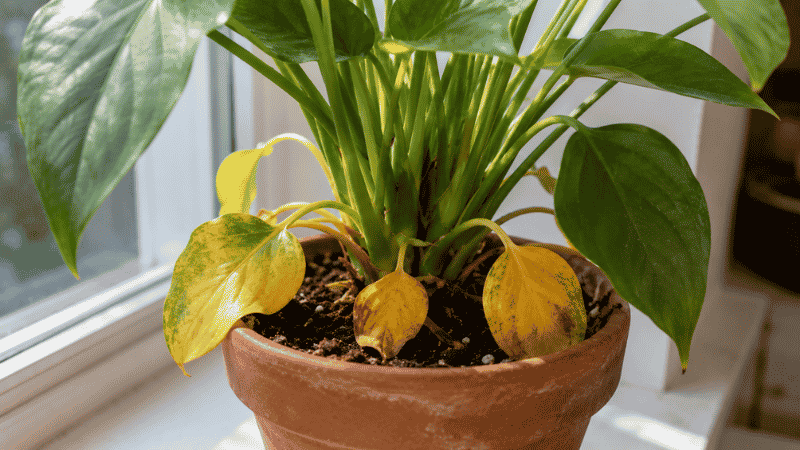
You notice it on a Tuesday morning. One yellow leaf. You tell yourself it’s nothing. By Friday there are three more, and now you’re standing over your plant at 11pm, phone in hand, frantically searching “why are my plant leaves turning yellow” and spiraling through seventeen different possibilities.
Take a breath. Yellow leaves are one of the most common plant problems in the world — and in the vast majority of cases, they’re completely fixable. The tricky part is that several different things can cause the same yellowing symptom, and the fix is different for each one. Watering more when the real problem is overwatering, for instance, will make things significantly worse.
This guide walks you through every real cause of plant leaves turning yellow, how to tell them apart from each other, and exactly what to do about each one. Whether you’re dealing with a pothos, a snake plant, a fiddle leaf fig, or a tomato plant on your balcony — the diagnostic process is the same, and it starts with looking at your plant carefully rather than panicking.
Key Takeaways
- Overwatering is the single most common cause of yellow leaves in houseplants — more than pests, nutrients, or light combined
- Yellow leaves that are soft and mushy point to overwatering or root rot; yellow leaves that are dry and crispy point to underwatering
- Once a leaf has turned fully yellow, the chlorophyll is gone and it won’t turn green again — but fixing the cause will stop further yellowing and the plant will produce healthy new growth
- Most yellow leaf problems are diagnosable in under 5 minutes with a soil check, a light check, and a look at the pattern of yellowing
- According to the University of Illinois Extension, the pattern and location of yellow leaves (bottom vs. top, edges vs. center) are the most reliable diagnostic tools for identifying the cause
Before Anything Else: How to Read Your Yellow Leaves
The color is yellow — but that’s where the similarity ends. The pattern and texture of yellow leaves tell a completely different story depending on what’s causing the problem. Before you change anything about your plant’s care, spend two minutes looking closely.
Where are the yellow leaves appearing?
- Yellow leaves on the bottom of the plant (oldest leaves) → often normal aging, or nitrogen deficiency
- Yellow leaves spread evenly across the whole plant → usually overwatering or root rot
- Yellow leaves on new growth at the top → often nutrient deficiency (iron, sulfur) or root damage
What do the yellow leaves feel like?
- Soft, limp, slightly mushy → overwatering, root rot
- Dry, papery, crispy at the edges → underwatering, low humidity, or too much direct sun
- Normal texture, just discolored → nutrient deficiency or light issue
What does the yellowing pattern look like?
- Whole leaf turning uniformly yellow → nitrogen deficiency or general stress
- Yellow between the veins, veins staying green → iron or magnesium deficiency
- Yellow edges with green center → potassium deficiency or salt buildup
- Yellow spots or patches → pests, fungal disease, or sunscorch
Keep these patterns in mind as you read through each cause below. They’ll help you zero in on the real problem quickly.
Cause 1: Overwatering (The Most Common Culprit)
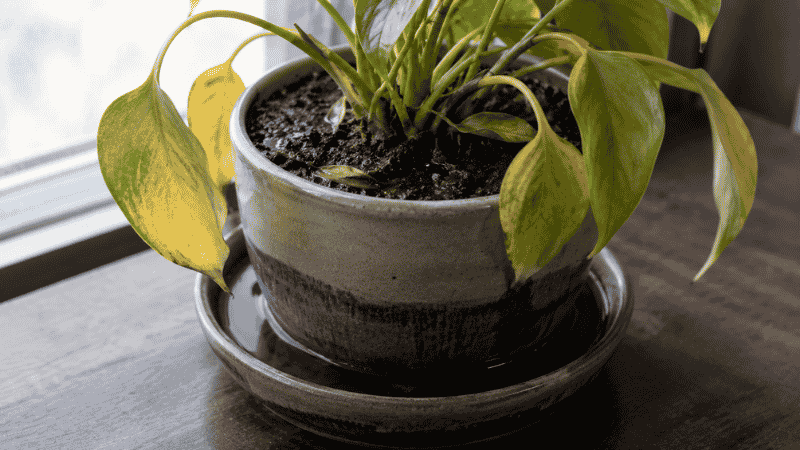
Overwatering is responsible for more yellow leaves than every other cause combined. It’s also the most counterintuitive — because when you see a plant struggling, watering it feels like the instinctively right response. But more water is exactly the wrong answer when the problem is already too much of it.
When soil stays consistently wet, roots lose access to oxygen. They begin to die — a condition called root rot — and can no longer transport water and nutrients to the leaves. The plant is technically surrounded by water but functionally dying of thirst. Leaves turn yellow, become soft and limp, and eventually drop.
What it looks like: Yellowing that spreads from the base upward, soft and slightly mushy leaves, soil that feels wet or soggy, a faint musty smell from the pot.
The fix: Stop watering immediately. Allow the soil to dry out completely before the next watering. Check the pot — does it have drainage holes? If not, excess water has nowhere to go and root rot is almost guaranteed.
If you suspect root rot is already established: slide the plant out of its pot and inspect the roots. Healthy roots are white or light tan and firm. Rotted roots are brown or black and feel mushy. Trim away all rotted roots with clean scissors, let the remaining roots air-dry for an hour, repot in fresh dry soil, and don’t water for at least a week.
Going forward: Check soil moisture with your finger before every watering. Press an inch or two into the soil — if it feels moist at all, wait. Water only when it feels dry.
Cause 2: Underwatering
The symptoms of underwatering can look deceptively similar to overwatering at first glance — both cause yellowing. The key difference is texture. Underwatered leaves go yellow and then become dry, papery, and crispy at the edges. They may curl inward as the plant tries to reduce water loss through its leaves.
Underwatering is more common than people realize during winter, when plants are brought indoors and placed in lower humidity, and people forget that heating systems dry out both air and soil faster than expected.
What it looks like: Yellow leaves that feel dry and papery rather than soft; crispy brown edges; soil that is bone dry several inches down; the plant may look generally wilted even in the morning.
The fix: Water thoroughly — slowly and deeply, until water drains from the bottom of the pot. This ensures moisture reaches the entire root system, not just the top inch. Allow the plant to absorb this, then check in 24 hours. A wilted plant will often show visible improvement within a few hours of a thorough watering.
Don’t compensate by watering heavily every day — you’ll swing into overwatering. Return to checking the soil before each watering and adjusting frequency to match the plant’s actual needs, which change with season and temperature.
Cause 3: Not Enough Light (Or Too Much Direct Sun)
Light is what powers photosynthesis — the process that creates chlorophyll, which is what makes leaves green. When a plant doesn’t get enough light, it starts breaking down chlorophyll in older leaves to redistribute the nutrients to newer growth. The result: older leaves turn progressively yellow and drop.
Conversely, too much harsh direct sun can scorch leaves — causing bleached yellow patches rather than uniform yellowing, often on whichever side faces the sun most directly.
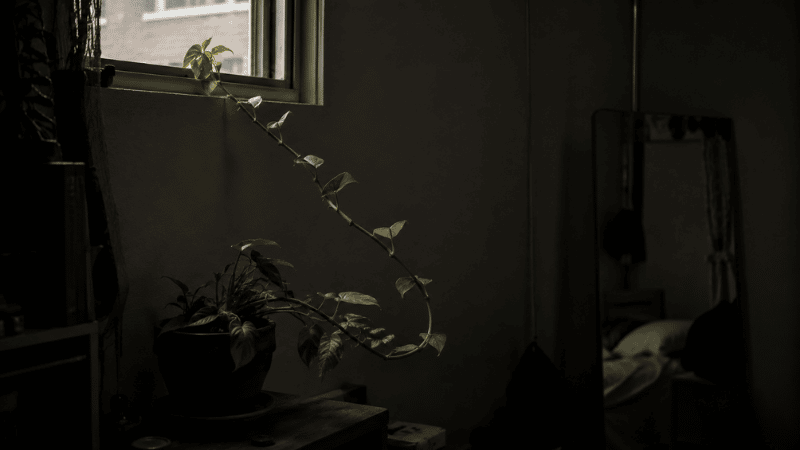
Too little light looks like: Uniform yellowing starting on the oldest (lowest) leaves, slow or stopped growth, new leaves coming in smaller and paler than existing ones, stems reaching or leaning dramatically toward the nearest light source.
Too much direct sun looks like: Bleached, faded, or yellow-white patches on leaves that face the window; crispy texture in the affected areas; healthy color on the shaded side of the plant.
The fix for low light: Move the plant closer to a window, or to a room with better natural light. South and west-facing windows provide the most light for most houseplants. If your space is genuinely dark, a small LED grow light running 12–14 hours per day will supplement effectively.
The fix for too much sun: Move the plant a few feet back from the window, or filter harsh afternoon sun with a sheer curtain. Most tropical houseplants prefer bright indirect light rather than direct sun — meaning they can see the sky from their location, but the sun’s rays aren’t hitting the leaves directly.
Cause 4: Nutrient Deficiency
When watering and light are both right and leaves are still yellowing, the problem may be nutrient-related. Container plants are particularly vulnerable because nutrients wash out of the soil with every watering — over time, even a good potting mix becomes depleted if you never replace the nutrients.
The pattern of yellowing provides specific clues about which nutrient is missing:
Nitrogen deficiency — the most common. Old leaves at the bottom of the plant turn uniformly yellow first, progressing upward as the deficiency worsens. Nitrogen is highly mobile in soil and depletes quickly. Fix: apply a balanced liquid fertilizer (look for equal or near-equal N-P-K numbers, like 10-10-10 or 20-20-20).
Iron deficiency — yellow appears between the leaf veins on new growth at the top of the plant, while the veins themselves stay green. Fix: apply a chelated iron supplement or a fertilizer that contains micronutrients.
Magnesium deficiency — similar vein pattern to iron deficiency but appears on older lower leaves rather than new growth. Fix: a balanced fertilizer containing magnesium, or a diluted Epsom salt solution (1 tablespoon per gallon of water) applied as a soil drench.
Potassium deficiency — yellowing at leaf edges and tips, with the center of the leaf staying green longer. Fix: a fertilizer with higher potassium (the third number in the N-P-K ratio).
For most container houseplants, a simple balanced liquid fertilizer applied every 2–4 weeks during spring and summer (and stopped in autumn and winter) prevents nearly all nutrient deficiencies.
Cause 5: Temperature Stress and Cold Drafts
Plants are more sensitive to temperature than most people realize. A tropical houseplant placed near a drafty window in winter, or directly under an air conditioning vent in summer, can develop yellow leaves from temperature stress alone — even if light, watering, and nutrients are all correct.
What it looks like: Yellowing that develops after a change in location or season; leaves that yellow near a window during cold weather; sudden leaf drop alongside yellowing; plants near heating or cooling vents showing consistent yellow patches.
The fix: Move the plant away from drafts, vents, and cold window glass. Most tropical houseplants prefer temperatures between 60–80°F (15–27°C) and struggle when temperatures fluctuate rapidly. In winter, even touching a cold glass window can damage leaves — keep plants a few inches back from the glass.
Cause 6: Pests
Certain pests feed on plant sap, gradually depleting the plant’s resources and causing leaves to yellow, stipple, or develop irregular patches. Spider mites, aphids, and mealybugs are the most common indoor offenders.
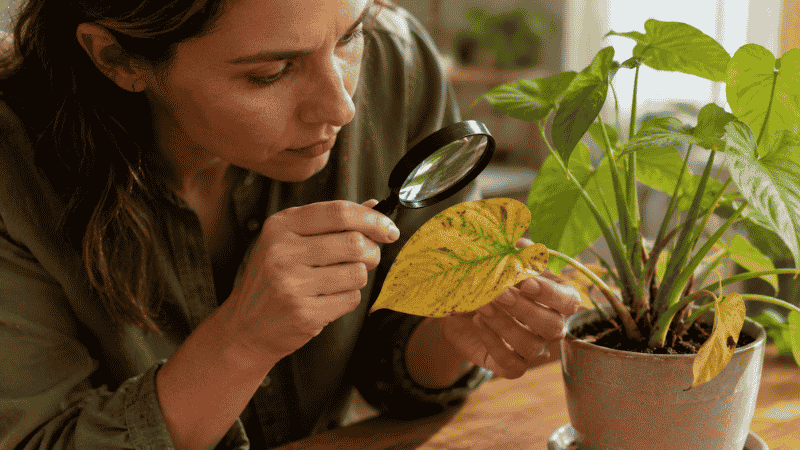
What it looks like: Yellow patches or stippling (tiny dots) on leaves rather than uniform yellowing; fine webbing on stems or leaf undersides (spider mites); sticky residue on leaves or surfaces below the plant; visible insects when you look under the leaves with good light.
The fix: Inspect under every leaf with a flashlight. For minor infestations, wipe leaves thoroughly with a damp cloth or cotton ball dipped in diluted neem oil or isopropyl alcohol. For more established infestations, treat with an insecticidal soap spray every 5–7 days for 3–4 weeks. Isolate the affected plant from other plants immediately to prevent spread.
Cause 7: Natural Aging (When Yellow Leaves Are Actually Normal)
Not every yellow leaf is a problem. All plants naturally shed older leaves as they age, and in many species this happens visibly — a lower leaf turns yellow and drops, replaced by new growth higher up. This is normal and healthy.
How to tell it’s normal aging: Only the very lowest, oldest leaves are affected; the rest of the plant looks healthy with good color and active new growth; yellowing happens slowly (one or two leaves at a time) rather than rapidly across multiple areas.
What to do: Nothing, except remove the yellow leaf once it’s fully yellow by gently twisting or cutting it at the base. This keeps the plant looking tidy and allows it to redirect energy from the declining leaf to new growth.
Quick Diagnosis: 5 Minutes to Find the Cause
If you’re looking at a plant with yellow leaves right now, work through this in order:
1. Check the soil. Press your finger 1–2 inches in. Wet or soggy → overwatering. Bone dry → underwatering. Appropriate moisture → look further.
2. Check the pot. Drainage holes present? If not, water is pooling at the bottom regardless of how carefully you water.
3. Check the light. Is the plant getting the type of light it needs? Has anything changed recently — new curtains, furniture moved, season changed?
4. Check under the leaves. Any webbing, sticky residue, or tiny moving insects?
5. Check the pattern. Where are the yellow leaves — bottom, top, or everywhere? Are they soft or dry? Whole leaf or between veins?
In most cases, these five checks will identify the cause within minutes. The majority of the time, the answer is step one.
If You Only Have 5 Minutes Right Now
Check the soil. That single action will either confirm or rule out the most common cause — overwatering. If the soil is wet, stop watering and let it dry completely. If it’s bone dry, water thoroughly right now. If it’s fine, come back to the other checks when you have more time.
One check, done right now, is worth more than an hour of reading without acting.
When Yellow Leaves Mean Serious Trouble
Most yellow leaf situations are manageable at home. These specific scenarios warrant more urgent attention:
Rapid, widespread yellowing across the whole plant in a short timeframe (days rather than weeks) suggests severe root rot, a major pest infestation, or acute environmental stress. Slide the plant out of its pot immediately to inspect the roots.
Soft, mushy stems at soil level alongside yellow leaves indicates advanced rot. This is serious — act quickly by trimming all affected areas, air-drying the remaining root system, and repotting in fresh dry soil.
Yellow leaves plus white powdery coating on leaf surfaces is powdery mildew, a fungal issue. Increase air circulation, reduce humidity around the plant, and treat with a diluted neem oil or baking soda solution.
A plant that deteriorates despite correct watering, light, and feeding over several weeks may have an underlying issue that’s difficult to diagnose at home — consider bringing a sample to your local nursery or garden center for expert assessment.
FAQ
Why are my plant leaves turning yellow and falling off? Yellow leaves that drop are usually caused by overwatering, root rot, or significant environmental stress (cold draft, sudden light change). Check soil moisture first — wet, soggy soil alongside leaf drop almost always indicates overwatering. If the soil is fine, look for sudden changes in the plant’s environment.
Can yellow leaves turn green again? Once a leaf is fully yellow, the chlorophyll has broken down and it won’t recover its green color. Remove fully yellow leaves to help the plant redirect energy. Fixing the underlying cause will stop new yellowing and the plant will produce fresh healthy green growth.
Why are my plant leaves turning yellow with green veins? Yellow leaves with green veins (veins staying green while leaf tissue yellows) is called interveinal chlorosis — typically caused by iron or magnesium deficiency. On new leaves at the top of the plant, it’s usually iron. On older lower leaves, it’s more often magnesium. A balanced fertilizer containing micronutrients addresses both.
Why are the bottom leaves of my plant turning yellow? Lower, older leaves yellowing while the rest of the plant looks healthy is often normal aging. However, if yellowing at the bottom is progressing rapidly upward, it may indicate nitrogen deficiency or overwatering. Check soil moisture and consider applying a balanced fertilizer if the plant hasn’t been fed recently.
Why are my outdoor plant leaves turning yellow? Outdoor plants yellow for similar reasons — overwatering or poor drainage, insufficient sunlight, nutrient deficiency, or pest damage. An additional outdoor cause is soil pH, which affects how well plants can absorb nutrients from the soil. A simple soil test (available at most garden centers) will confirm whether pH is a factor.
Should I remove yellow leaves from my plant? Yes, once leaves are fully yellow. Removing them prevents the plant from continuing to put energy into declining leaves and keeps the plant looking tidy. Use clean scissors or gently twist the leaf at the base — don’t pull sharply, which can damage the stem.
A Reassuring Thought
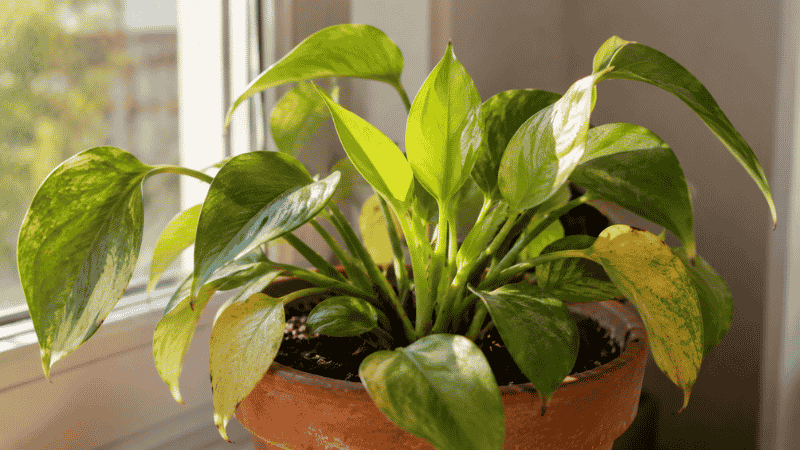
Yellow leaves are a plant’s way of communicating. Not dramatically, not catastrophically — just quietly signaling that something in its environment has shifted and needs attention. Most of the time, the message is simple: you’re giving me too much water, or not enough light, or I haven’t had any nutrients in a while.
Once you know how to read what the yellowing is telling you, the anxiety disappears. It becomes information instead of crisis. And the satisfaction of diagnosing the problem, making a small adjustment, and watching your plant push out a fresh green leaf a few weeks later is one of the genuinely rewarding things about keeping plants.
Keep Growing
- 🔄 [How to Repot a Plant] — when root-bound roots cause yellowing, here’s what to do
- 🌱 [Low Maintenance Indoor Plants: 12 Hard-to-Kill Picks] — start with plants that forgive beginner mistakes
References: University of Illinois Extension (2023). Solving Houseplant Problems. Pennington Seed Company — Research & Resources (2024). Why Plant Leaves Turn Yellow and How to Fix Them. Andrew Gaumond, Horticulturist and Director of Content, Petal Republic — cited in Family Handyman (2021). 5 Reasons Your Houseplants Are Yellowing or Wilting. Iowa State University Extension — Aaron Steil, Consumer Horticulture Extension Specialist (2023). Caring for Houseplants.