
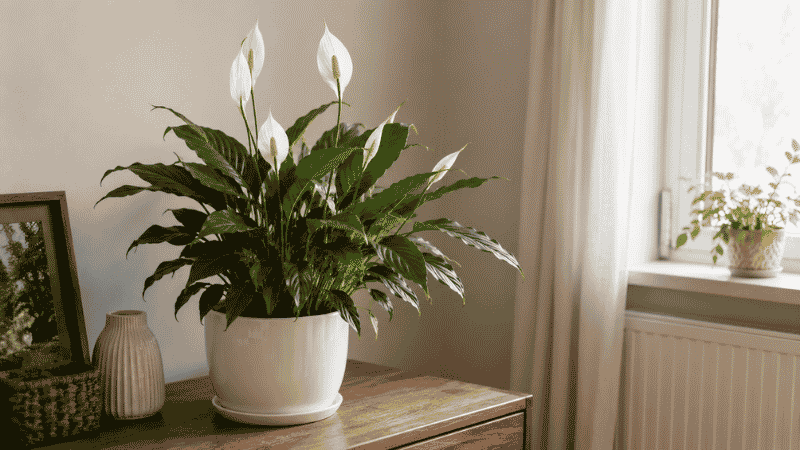
You walked past it in the shop — that elegant white flower rising above glossy dark leaves — and you thought: that looks like something I could actually keep alive. So you bought it. You brought it home, found it a spot, watered it carefully.
Then, about a week later, you came home to find the whole plant collapsed dramatically over the side of the pot. Every leaf drooping toward the floor like it had given up entirely. And your stomach dropped.
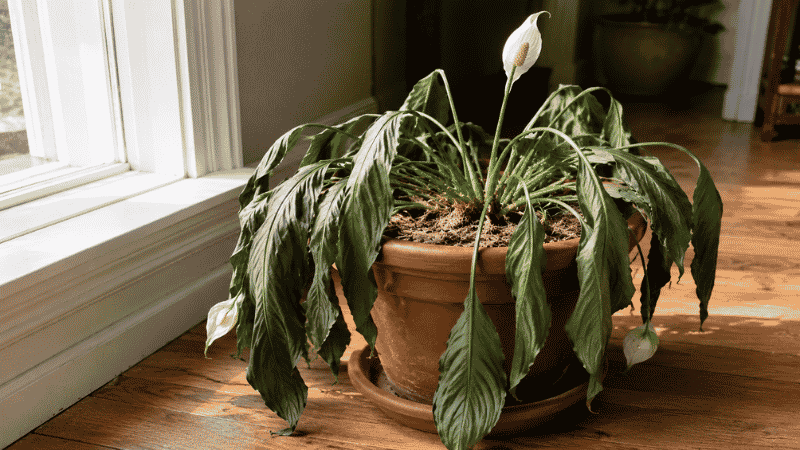
Here’s the thing: your peace lily probably wasn’t dying. It was thirsty — and doing exactly what it’s designed to do. Peace lilies are one of the very few houseplants that communicate their needs with theatrical clarity. That dramatic droop is the plant’s built-in alarm system, telling you it needs water. Water it, and within an hour or two, every leaf stands back up as if nothing happened.
This guide covers everything you need to know about peace lily care — why it droops, why the tips turn brown, why it won’t flower, and the small habits that keep this beautiful plant thriving for years. It’s simpler than you think.
Key Takeaways
- Peace lilies droop dramatically when thirsty — water them and they recover within 1–2 hours; this is normal behavior, not a sign of dying
- Overwatering kills more peace lilies than underwatering — water only when the top inch of soil feels dry, and always use a pot with drainage holes
- Peace lilies are one of NASA’s top-rated air-purifying plants, removing formaldehyde, benzene, and other indoor pollutants from the air
- Peace lilies are toxic to cats, dogs, and children — keep them out of reach of pets and small children at all times
- A peace lily that won’t flower almost always needs more light; they survive in low light but bloom only in bright indirect light
What Makes Peace Lilies Special
Peace lilies (Spathiphyllum) are native to the tropical rainforests of Central and South America, where they grow in the dappled shade beneath forest canopies with high humidity and consistent moisture. This origin tells you almost everything you need to know about how to care for them: they want warmth, indirect light, humidity, and consistent but not excessive moisture.
They’re also one of the most communicative plants you can own. Unlike a snake plant or ZZ plant, which silently endure poor conditions for months before showing any sign of stress, a peace lily will tell you exactly when it’s thirsty (dramatic drooping), when it’s getting too much sun (brown scorched patches), and when the air is too dry (brown crispy tips). Once you learn to read these signals, peace lily care becomes a genuine conversation between you and the plant.
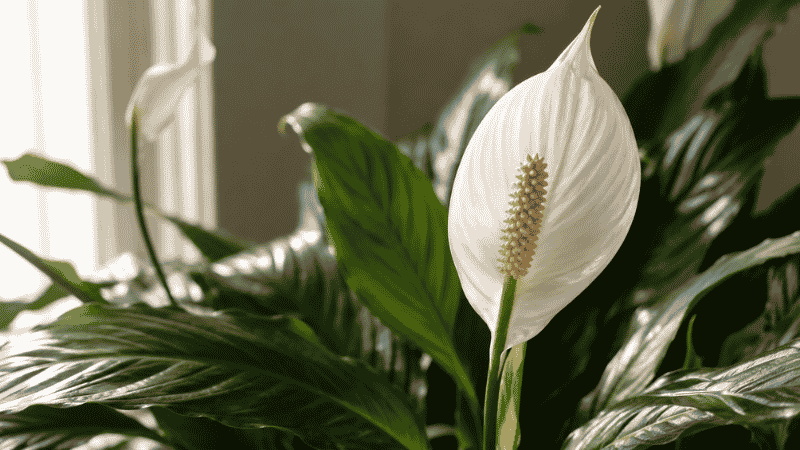
NASA’s 1989 Clean Air Study identified peace lily as one of the most effective air-purifying houseplants available, capable of removing formaldehyde, benzene, trichloroethylene, and other volatile organic compounds from indoor air. It’s also one of the few low-light plants that flowers indoors — producing those elegant white spathes (which are actually modified leaves, not true flowers) that give it its distinctive look.
Peace Lily Care: Light Requirements
Peace lilies are famous for tolerating low light — and they genuinely do survive in dimmer conditions where most plants would struggle. But there’s a critical distinction between surviving and thriving, and nowhere is that distinction more visible than in flowering.
In low light (north-facing rooms, dim corners): your peace lily will stay green and alive, but it almost certainly won’t flower. The leaves may also become slightly paler over time.
In medium to bright indirect light (east-facing windows, a few feet from a south or west window): this is where peace lilies truly flourish. Growth is more vigorous, leaves are a deeper, more lustrous green, and the plant will produce its white flowers reliably in spring, sometimes twice a year.
In direct sunlight: avoid this. Direct sun — especially afternoon sun through a south or west-facing window — scorches peace lily leaves, producing bleached, papery patches that won’t reverse. Keep it back from the glass or filter with a sheer curtain.
The practical takeaway: if your peace lily has been in the same spot for months without producing any flowers, try moving it somewhere brighter. Brighter indirect light is almost always the answer to the “why won’t my peace lily bloom?” question.
How to Water a Peace Lily (And What That Drooping Really Means)
Water is where most peace lily care goes wrong — in both directions.
The correct approach: check the top inch of soil. If it feels dry, water thoroughly — until water drains from the bottom of the pot. If it still feels moist, wait. Peace lilies like to almost dry out between waterings, but not completely.
Typical frequency: every 7–10 days in spring and summer; every 10–14 days in autumn and winter. But always check the soil rather than following a calendar.
About that dramatic droop: when a peace lily’s soil dries out, the broad leaves lose their rigidity quickly — more so than most other houseplants. This dramatic wilting is a feature, not a flaw. The plant is telling you it’s thirsty. Water it generously, and within an hour or two, you’ll watch the leaves lift back up to their full upright position. If this is happening frequently, it means you’re waiting slightly too long between waterings — increase frequency slightly.
One important caveat: drooping can also happen when soil is too wet and root rot has set in. The difference: if the soil is dry and the plant is drooping, it’s thirst. If the soil is wet and the plant is drooping, it’s root rot — a more serious situation. Check the soil before watering every single time.
About tap water: peace lilies are sensitive to fluoride and chlorine in tap water, which accumulates in the soil over time and causes brown leaf tips. If your tap water is heavily treated, switch to filtered water, rainwater, or let tap water sit out overnight before using it (which allows some chlorine to dissipate).
The Right Soil and Pot
Peace lilies do best in a rich, well-draining potting mix. A standard all-purpose potting mix works well — it should feel loose and airy when you squeeze it, not dense and heavy. If your mix feels compacted, add a small amount of perlite to improve drainage.
Pot requirements: drainage holes are essential. A peace lily sitting in waterlogged soil at the bottom of a pot without drainage will develop root rot within weeks, regardless of how carefully you water.
Pot size: peace lilies actually prefer to be slightly root-bound — a pot that fits snugly around the root ball produces more flowers than one with a lot of excess space. When repotting, go up only one size (1–2 inches larger in diameter).
When to repot: every 1–2 years, or when roots are growing out of drainage holes. Spring is the best time — the plant is entering its active growing season and recovers from disturbance more quickly. After repotting, the plant may stop flowering temporarily while it adjusts — this is normal and usually resolves within a few weeks.
Humidity: The Secret to a Thriving Peace Lily
Peace lilies are tropical plants that evolved in high-humidity rainforests. In most homes — particularly in winter with heating running — indoor humidity is significantly lower than what they prefer. This is the most commonly overlooked aspect of peace lily care, and it’s almost always the cause of brown crispy leaf tips.
Signs of insufficient humidity: brown, crispy tips and edges on otherwise healthy-looking leaves. This is distinct from overwatering damage (which produces yellow, soft leaves) — humidity damage produces dry, papery brown tips.
How to increase humidity around your peace lily:
- Place the pot on a tray of pebbles filled with water (the water evaporates upward around the plant without the roots sitting in it)
- Group it with other plants — plants naturally release moisture through their leaves, and grouping them creates a more humid microclimate
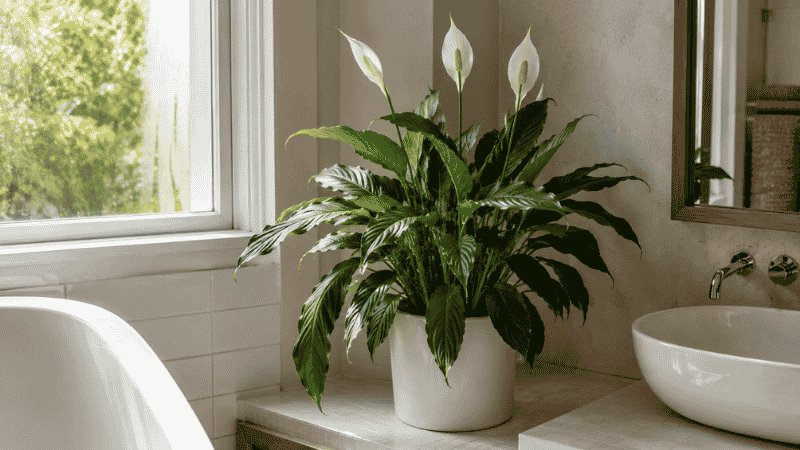
- Keep it in a naturally humid room — kitchens and bathrooms often have higher ambient humidity and work beautifully for peace lilies, as long as there’s enough indirect light
- Mist the leaves every few days with water — use filtered water to avoid mineral deposits on the leaves
What not to do: don’t place your peace lily next to a radiator or heating vent in winter. The dry, hot air is the fastest way to produce brown tips and stressed leaves.
Why Won’t My Peace Lily Flower? (And How to Fix It)
This is one of the most common peace lily questions — and the answer is almost always the same: not enough light.
Peace lilies flower in response to light levels. A plant in low light will stay green and healthy but may not produce flowers at all. To encourage blooming:
Move it to a brighter spot. Bright indirect light (near an east-facing window, or a few feet from a south-facing window with filtered light) is the sweet spot. Within 4–8 weeks of moving to better light, most peace lilies will produce new flower buds.
Ensure it’s mature enough. Very young or recently repotted plants may not flower immediately — they need to establish their root system first.
Feed it appropriately. A balanced liquid fertilizer applied once a month in spring and summer provides the nutrients needed for flowering. Don’t over-fertilize — too much nitrogen produces lush leaves at the expense of flowers.
Be patient with new plants. Nursery-grown peace lilies are often treated with hormones to force early flowering for sale. Once the hormone effect wears off, the plant may take a season to re-establish its natural flowering cycle.
Common Peace Lily Problems and Fixes
Peace Lily Leaves Turning Yellow
Yellow leaves on a peace lily are most commonly caused by overwatering. When roots sit in consistently wet soil, they can’t access oxygen, weaken, and can no longer deliver nutrients to the leaves. Check soil moisture before every watering — if it’s moist, wait. Ensure the pot has drainage holes.
Occasional yellowing of the very oldest, lowest leaves is natural aging — nothing to worry about. Remove those leaves once they’re fully yellow.
Brown Tips on Peace Lily Leaves
Brown, crispy tips are almost always caused by one of two things: low humidity or the chemicals in tap water (fluoride and chlorine). Switch to filtered or rainwater, increase humidity around the plant using one of the methods above, and keep the plant away from heating vents.
Brown tips don’t reverse — trim the affected areas with clean scissors, cutting at a slight angle to maintain the leaf’s natural shape. Address the cause to prevent new browning.
Peace Lily Drooping After Watering
If your peace lily is drooping and the soil is already wet, this is a warning sign of root rot. Overwatered roots lose their ability to absorb water and deliver it to the leaves — the plant droops even though it’s surrounded by moisture, because the roots can no longer function.
Remove the plant from its pot and inspect the roots. Healthy roots are white or light tan and firm. Rotted roots are brown or black and mushy. Trim away all rotted roots with clean scissors, let the remaining root system air-dry for an hour, and repot in fresh dry potting mix. Do not water for several days after repotting.
Peace Lily Not Flowering
Move it to a brighter location with more indirect light. This is the solution in the vast majority of cases. If light is already good, consider a mild dose of balanced fertilizer and ensure the plant isn’t too cold (below 60°F / 15°C will suppress flowering).
Peace Lily Leaves Have Brown Spots or Scorched Patches
Bleached or brown patches on leaves — particularly on the side facing a window — indicate too much direct sunlight. Move the plant away from the window or filter the light with a sheer curtain. Damaged leaves won’t recover, but new growth will be unaffected once the light issue is resolved.
⚠️ Peace Lilies and Pet Safety
This is critically important: peace lilies are toxic to cats, dogs, and children.
They contain insoluble calcium oxalate crystals — the same compounds found in many aroids. When chewed or ingested, these cause immediate and intense oral irritation: burning sensation in the mouth, excessive drooling, vomiting, and difficulty swallowing. While peace lily toxicity is considered moderate rather than severe (it is very unlikely to be fatal), it causes significant distress and requires prompt attention.
If you have cats or dogs that chew on plants, peace lily is not a safe choice for your home. The ASPCA confirms peace lily is toxic to both cats and dogs, and recommends immediate contact with your vet or the ASPCA Animal Poison Control Center (888-426-4435) if your pet ingests any part of the plant.
For pet-safe low-light alternatives, consider spider plants, Boston ferns, areca palms, or calatheas.
If You Only Have 5 Minutes Right Now
Check your peace lily’s soil. Press your finger an inch in. If it’s dry, water thoroughly. If the plant is drooping and the soil is dry, water now and watch it recover within the hour. If the soil is wet and the plant is drooping, stop watering and check the roots.
That one check, done consistently, handles the vast majority of peace lily care.
FAQ
How often should I water a peace lily? Every 7–10 days in spring and summer, every 10–14 days in autumn and winter — but always check the top inch of soil first. If it’s still moist, wait. The peace lily’s dramatic drooping is a reliable signal that it needs water; you’ll learn to read it quickly.
Why is my peace lily drooping? If the soil is dry: it’s thirsty. Water it thoroughly and the leaves will recover within 1–2 hours. If the soil is wet: it may have root rot from overwatering. Check the roots — mushy brown roots need to be trimmed and the plant repotted in fresh dry soil.
Why won’t my peace lily flower? Almost always insufficient light. Peace lilies survive in low light but flower only with bright indirect light. Move it closer to an east or south-facing window (keeping it out of direct sun) and give it 4–8 weeks to respond.
Are peace lilies safe for cats and dogs? No — peace lilies are toxic to cats and dogs if ingested. They contain calcium oxalate crystals that cause oral irritation, drooling, and vomiting. Keep them out of reach of pets. For pet-safe alternatives, spider plants and areca palms are excellent low-light options.
Why are the tips of my peace lily turning brown? Almost always caused by low humidity or fluoride/chlorine in tap water. Switch to filtered or rainwater, increase humidity around the plant, and keep it away from heating vents. Trim brown tips with clean scissors.
Can peace lilies grow in water? Yes — peace lilies can be grown hydroponically in vases of water. Keep the base of the stem in water while the roots develop, change the water weekly, and add a small amount of liquid fertilizer every few weeks. This is an attractive and low-maintenance option, particularly for the bathroom.
How long do peace lilies live? With proper care, peace lilies can live for many years — 20 years or more is achievable. They are perennial plants that don’t have a natural lifespan limit under good conditions.
The Quiet Charm of a Peace Lily
There’s something about a well-kept peace lily in a corner that feels like the room took a breath. The deep green leaves, the white flowers rising unexpectedly in spring — it brings a quality of calm that’s genuinely hard to explain but easy to feel.
And it communicates. It tells you when it needs water. It rewards you with flowers when you get the light right. It bounces back from every mistake you make as a beginner. Among all the low-light houseplants available to beginners, the peace lily is one of the most generous — both in its beauty and in its forgiveness.
Give it a bright corner, a little filtered water, and some patience. It will reward you for years.
Keep Growing
- 🌿 [Low Maintenance Indoor Plants: 12 Hard-to-Kill Picks] — more plants that thrive with minimal care
- 🌑 [Snake Plant Care: The Complete Beginner’s Guide] — another excellent low-light companion
- 💛 [Plant Leaves Turning Yellow? 7 Real Causes and Fixes] — diagnose any struggling plant
- 🪴 [How to Repot a Plant: Step-by-Step for Beginners] — when your peace lily outgrows its pot
References: Wolverton, B.C., Johnson, A., & Bounds, K. (1989). Interior Landscape Plants for Indoor Air Pollution Abatement. NASA/ALCA Final Report. ASPCA Animal Poison Control Center. Toxic and Non-Toxic Plant List — Peace Lily (Spathiphyllum). University of Florida IFAS Extension (2023). Peace Lily — Spathiphyllum spp. Care and Culture. Soga, M., Gaston, K.J., & Yamaura, Y. (2017). Gardening is beneficial for health: A meta-analysis. Preventive Medicine Reports, 5, 92–99.