
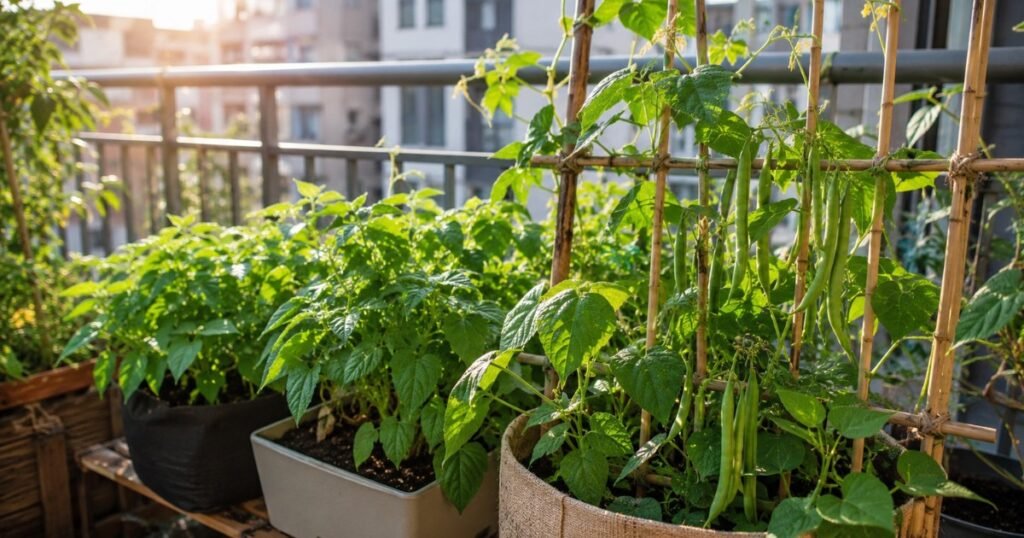
Green beans are one of those vegetables that make new gardeners feel like they actually know what they’re doing. They’re easy to grow, don’t ask for much, and even a few plants can give you more beans than you’d expect. Whether you have a small backyard, a raised bed, or just a sunny balcony with a couple of pots, they’re a great first crop to try.
If you’re here because you searched how to grow green beans, you’re probably wondering where people usually go wrong. Maybe you’re worried the seeds won’t sprout, you’re not sure when to plant, or you’ve never grown anything edible before. The good news is that green beans aren’t difficult—they just need the basics done right. In this guide, you’ll learn when to plant, how to care for them, and the simple mistakes that are easiest to avoid, so you can enjoy fresh, homegrown beans all season long.
Quick Answer: The Essentials
Short on time? Here’s what matters most:
- Direct sow once soil temperature reaches about 60°F (15°C) — don’t go by air temperature alone.
- Choose bush beans for containers and tight spaces, or pole beans if you want a longer, ongoing harvest.
- Plant seeds about 1 inch deep, spaced according to variety.
- Give plants 6–8 hours of sunlight a day.
- Water consistently, but avoid soaking the soil.
- Harvest pods while still tender — picking often keeps plants producing.
| Factor | Guideline |
|---|---|
| Soil temperature | About 60°F (15°C) or warmer |
| Planting depth | ~1 inch |
| Germination time | 7–10 days |
| Days to harvest | ~50–60 days (varies by variety) |
| Sunlight | 6–8 hours daily |
| Watering | Consistently moist, never soggy |
With that quick reference in hand, everything below will help you fill in the details and avoid the mistakes that trip up most beginners.
Bush Beans vs. Pole Beans: Which One Should Beginners Grow?
Before you choose a variety, take a quick look at your growing space. If you’re using a few containers or a small balcony, your options will naturally be different from someone planting in a backyard.
Bush Beans at a Glance
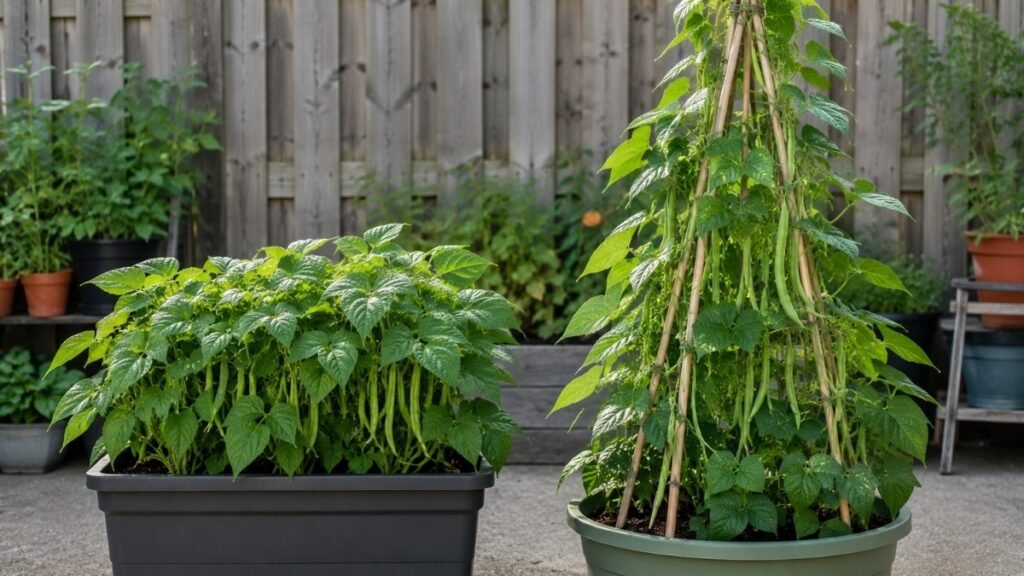
Bush beans grow compact and low, and they don’t need a trellis or support of any kind — which makes them a natural fit for pots, grow bags, or a tucked-away corner of a small garden. Their harvest tends to come in one concentrated wave, which suits gardeners who like the satisfaction of a bigger, all-at-once picking day.
Pole Beans at a Glance
Pole beans climb, often reaching 6 feet or more, and they do need something to climb — a trellis, stakes, or netting. In exchange, they typically offer a longer harvest window, sometimes stretching from summer well into early fall, along with higher overall yield. The tradeoff is a bit more upfront planning for support.
One thing that trips up a lot of beginners: picking pole beans without thinking through where the trellis will actually go. It’s surprisingly common for someone to plant pole beans on a balcony with no wall or post to anchor a support, only to end up with a tangle of vines with nowhere to climb — which usually means poor airflow and more problems with disease down the line. Deciding on a variety before you buy seeds, based on what your space can realistically support, saves a lot of headaches later.
| Comparison | Bush Beans | Pole Beans |
|---|---|---|
| Height | ~1–2 feet | 6 feet or more |
| Trellis needed | No | Yes |
| Harvest period | Shorter, concentrated | Longer, spread out |
| Overall yield | Moderate | Typically higher |
| Container suitability | Excellent | Needs extra vertical space |
| Beginner friendliness | High | Moderate — plan ahead |
Bottom line: if you’re working with a small balcony or no support structure, bush beans are the easier starting point. If you’ve got a wall, fence, or corner where a trellis makes sense — and you like the idea of picking beans gradually over a longer season — pole beans are worth the extra setup. For more ideas on making the most of a tight footprint, our container gardening guide covers pot sizing and placement in more detail.
Key takeaway: Choose your bean type based on the space you actually have, not just the yield you’re hoping for.
Before You Plant: What Green Beans Need to Grow Well
Planting green beans is the easy part. Taking a little time to prepare first is what usually makes the biggest difference.
Wait for Warm Soil, Not Just Warm Weather
This is the mistake that trips up more beginners than almost anything else: it feels warm outside, so seeds go into the ground — except soil temperature lags behind air temperature, sometimes by a couple of weeks. Seeds sitting in cold, damp soil are far more likely to rot before they ever sprout. A more reliable approach is to check the soil directly — either with a simple soil thermometer or by feeling a few inches down — and wait until it’s holding steady at 60°F (15°C) or above before you plant.
Choosing the Right Spot
Green beans want full sun and soil that drains well. In a yard, avoid low spots where water tends to pool. On a balcony, pick the location that gets the longest stretch of direct light through the day.
Growing in Containers
Green beans have a relatively compact root system, which makes them a solid fit for container growing — one of the reasons they’re such a popular choice for apartment and small-space gardeners.
| Pot Diameter | Pot Depth | Number of Plants |
|---|---|---|
| 8–10 inches | ~10 inches | 2–3 bush bean plants |
| 12+ inches | ~12 inches | 4–5 bush bean plants |
| 12+ inches with trellis | ~14 inches | 2–3 pole bean plants |
If you’re growing in pots, pairing this with our guide on how often to water potted plants is worth it — a lot of container growing problems trace back to watering rhythm more than anything else.
Key takeaway: Soil temperature, not air temperature, is one of the biggest factors behind successful germination.
How to Plant Green Beans Step by Step
With everything in place, you’re ready for the fun part—planting the seeds.
Should You Soak the Seeds First?
It’s optional. Some gardeners soak seeds for a few hours to speed up germination, but there’s an important limit here: soaking too long can backfire. A common mistake is leaving seeds in water overnight or longer, which causes the seed coat to swell, split, or even rot before it ever makes it into the soil. If you do soak, keep it to a few hours and plant soon after.
Why Direct Sowing Works Best
Green bean roots are sensitive and don’t handle disruption well, which makes transplanting riskier than it sounds. Sowing seeds directly into their final growing spot — rather than starting them indoors and moving seedlings later — tends to produce sturdier plants with a much better success rate.
Planting Depth and Spacing
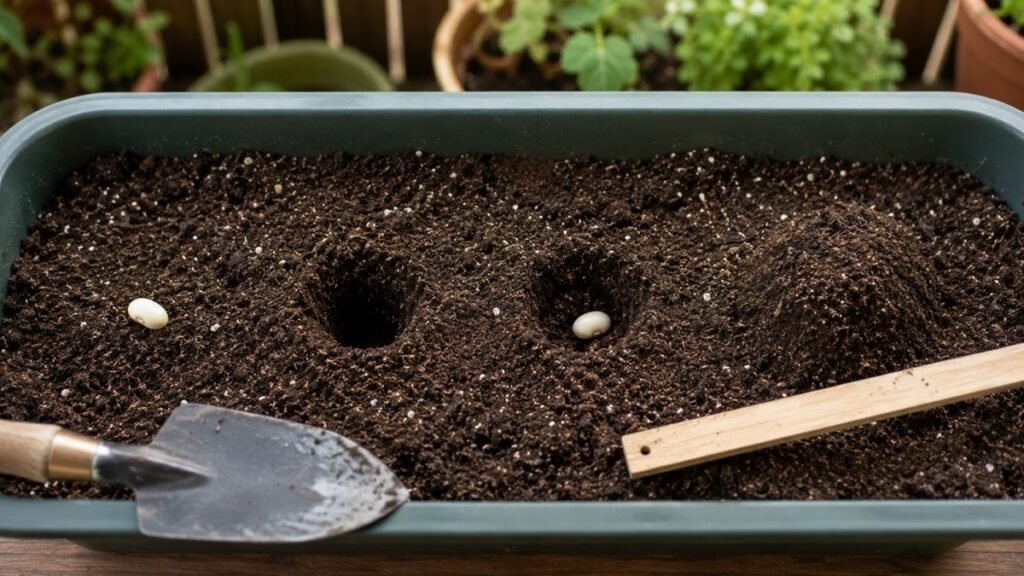
- Depth: about 1 inch
- Spacing: bush beans roughly 4–6 inches apart; pole beans 6–8 inches apart
- Row spacing: adjust based on container size or garden bed layout
First Week Care
Keep soil evenly moist (not waterlogged) until germination, and protect young seedlings from harsh direct sun in the first few days before gradually easing them into full sunlight.
Green Bean Planting Checklist
- [ ] Confirm soil temperature is 60°F (15°C) or above
- [ ] Skip long soaking, or limit it to a few hours
- [ ] Plant seeds about 1 inch deep
- [ ] Space seeds according to variety
- [ ] Water thoroughly right after planting
- [ ] Keep soil consistently moist until sprouts appear
Key takeaway: Simple direct sowing usually outperforms starting seeds indoors for transplanting.
How to Care for Green Beans After They Sprout
Once your green beans start growing, you don’t need to fuss over them every day. Just stick to the basics, and they’ll usually do the rest.
Water Without Overwatering
Green beans like evenly moist soil but hate sitting in water. A more reliable check than watering on a fixed schedule is testing the soil 2–3 inches down — if it’s dry there, it’s time to water.
Simple Trellis Ideas
For pole beans, a bamboo teepee — a few stakes tied together at the top with garden twine — is a low-cost setup that plenty of home gardeners rely on, no need for an expensive pre-made trellis kit.
Fertilizing the Right Way
This is where a lot of well-meaning beginners go wrong: more fertilizer is not better. Green beans naturally fix some of their own nitrogen through their root system, so heavy nitrogen fertilizing often leads to lush, leafy plants that produce disappointingly few beans. In practice, a light, balanced feeding early on is usually enough — consistent watering and sunlight do more heavy lifting than repeated fertilizing.
Companion Plants That Help
| Companion Plant | Benefit |
|---|---|
| Corn | Can double as a natural support for pole beans |
| Cucumbers | Similar growing needs, pairs well |
| Herbs like rosemary or mint | May help deter certain pests |
| Avoid pairing with onions or garlic | Can inhibit bean growth |
Key takeaway: Healthy green bean plants need consistent care, not constant feeding.
Growing Green Beans on a Balcony or in Containers
You don’t need a backyard to grow green beans. A sunny balcony or a few containers can be more than enough.
Best Containers
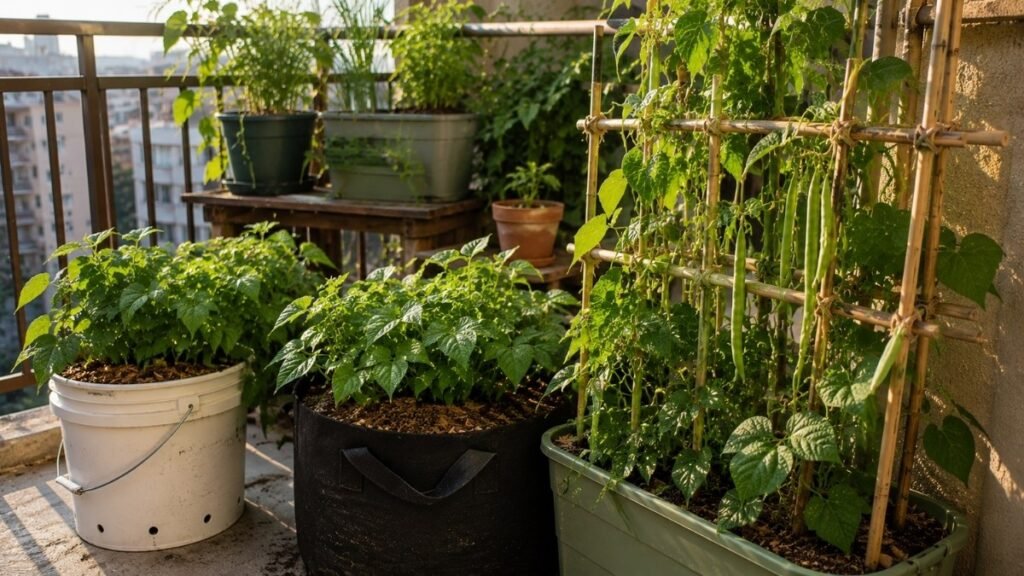
Look for pots or grow bags at least 10–12 inches deep with generous drainage. Fabric grow bags work especially well on balconies, since they help prevent the soggy, waterlogged roots that container gardens are prone to.
Vertical Growing Ideas
A narrow trellis against a wall, or a hanging vertical planter, is a common solution for pole beans on balconies — it keeps the footprint small while still giving vines somewhere to climb.
Balcony Lighting Tips
If your balcony doesn’t get ideal sun exposure, prioritize whatever spot gets the longest direct light window, or consider positioning containers where you can shift them through the day to chase the sun.
| Setup Element | Recommendation |
|---|---|
| Container type | Fabric grow bag or deep pot with strong drainage |
| Support style | Wall-mounted narrow trellis or hanging vertical planter |
| Low light workaround | Reposition containers to maximize direct sun hours |
| Space strategy | Bush beans for tight footprints, or vertical pole beans |
It’s easy to assume a small balcony can’t produce much, but in everyday use, a modest corner with good light and consistent watering regularly turns into dozens of pickings over a season. For more ideas on what grows well in tight spaces, check out our list of the easiest vegetables to grow.
Key takeaway: Even very small outdoor spaces can produce a genuinely impressive harvest.
Why Your Green Beans Aren’t Growing Well (Simple Troubleshooting)
Yellow leaves, slow growth, or missing pods don’t always mean you’ve done something wrong. In many cases, the fix is simpler than you’d expect.
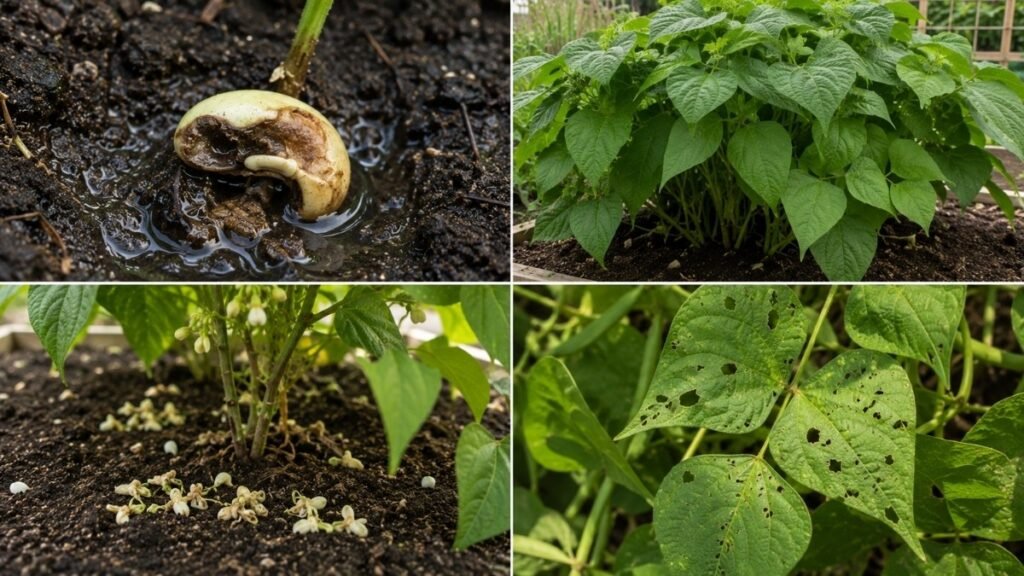
Seeds Never Sprouted
The most common culprits are soil that’s too cold, seeds planted too deep, or soil kept so wet that seeds rot before they can germinate.
All Leaves, No Beans
This usually points back to excess nitrogen — as mentioned earlier, green beans just don’t respond well to heavy feeding, and too much often means lush foliage at the expense of flowers and pods.
Flowers but No Pods
This can come down to incomplete pollination, or temperatures that are too high or too low for fruit to set — conditions that often improve once things level out.
Pest Problems
Aphids and bean beetles are among the more common nuisances. Catching them early and using a simple water spray or natural pest deterrent is usually enough to keep things under control.
Heat Stress
Here’s something a lot of gardeners don’t expect: sustained high heat can temporarily stop green beans from flowering and setting pods — but that’s usually a pause, not a plant failure. Once temperatures ease up, healthy plants typically resume producing without needing to be replaced.
3-Minute Bean Plant Diagnosis
- [ ] Check whether soil is too dry or too wet
- [ ] Look for unusual yellowing on leaves
- [ ] Check leaf undersides for pests
- [ ] Think back on recent fertilizing — was it heavy on nitrogen?
- [ ] Consider whether there’s been a recent heat spike or cold snap
Key takeaway: Most green bean problems are easy to fix once the real cause is identified.
Harvest Green Beans the Right Way for More Beans All Summer
Knowing when and how to pick green beans is just as important as growing them.
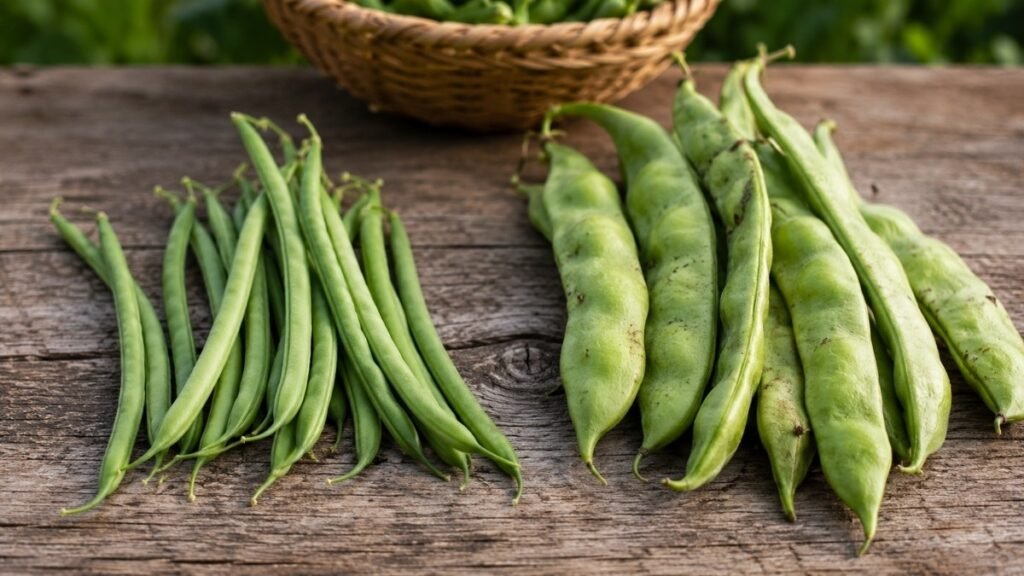
When to Pick
Pods are ready when they’re full but still snap crisply — there’s no need to wait until they look plump or start to bulge.
How Often to Harvest
Check plants every 1–2 days. Frequent picking signals the plant to keep producing, which is one of the simplest ways to extend the harvest window.
A Detail Beginners Often Miss
It’s tempting to let pods sit a bit longer to “size up,” but here’s the catch: mature pods left too long on the vine pull energy away from the plant and signal that its job is done, which slows down future flowering. In other words, holding off on picking can actually shrink your total harvest rather than increase it.
Succession Planting for a Longer Season
Sowing a new batch of seeds every 2–3 weeks stretches your harvest window out, rather than having everything ripen and finish within a tight one- or two-week stretch.
| Planting Batch | Suggested Timing |
|---|---|
| First batch | As soon as soil temperature is stable |
| Second batch | 2–3 weeks after the first |
| Third batch | 2–3 weeks after the second |
Storing Fresh Beans
Fresh pods keep reasonably well in the refrigerator for several days. If you end up with a bigger harvest than you can use right away, blanching and freezing is a common and reliable way to preserve them.
Key takeaway: Frequent harvesting is one of the simplest, most effective ways to keep green bean plants producing all season.
Frequently Asked Questions
Should you soak green bean seeds in water before planting them directly in the soil? Not necessarily. Direct sowing without soaking usually gives good germination rates on its own. If you do soak, keep it to a few hours — soaking overnight or longer can cause seeds to split or rot.
What is the main difference between bush beans and pole beans for home gardens? Bush beans stay compact, need no support, and produce a shorter, more concentrated harvest. Pole beans need a trellis but offer a longer harvest window and typically higher yields — a better fit if your space can accommodate the extra structure.
Is it better to direct sow green bean seeds or start them indoors for transplanting? Direct sowing is usually the better route for green beans. Their roots are sensitive to disturbance, so transplanting tends to set plants back more than it helps.
Why are my green bean seeds not germinating in the garden? The most common reasons are soil that’s too cold (below 60°F/15°C), seeds planted too deep, or soil kept too wet, leading to rot. Checking these first usually turns up the answer.
How often should you harvest green beans to keep the plants producing all season? Check and pick every 1–2 days. Leaving pods on the vine too long slows down new flowering, so regular harvesting is key to keeping production steady.
What is succession planting for green beans and how does it work? It means sowing a new round of seeds every 2–3 weeks throughout the growing season, so different batches of plants reach maturity at staggered times — extending your overall harvest instead of getting it all at once.
Do green beans need heavy fertilizer or a special soil inoculant to thrive? No. Green beans naturally fix some of their own nitrogen, so heavy fertilizing — especially nitrogen-rich formulas — often backfires, producing lots of foliage but fewer beans. Steady watering and light, balanced feeding are usually all that’s needed.
How do you grow green beans in small spaces or containers on a balcony? Use a container at least 10–12 inches deep with strong drainage. Bush beans need no support and work well in pots; pole beans can be grown vertically with a wall-mounted trellis. Aim for 6+ hours of direct sunlight daily.
🌱 Garden Notes: The Thinking Behind This Guide
Growing green beans isn’t about having a green thumb—it’s about getting a few simple things right from the start.
That’s why this guide focuses on the practical steps that matter most, from choosing the right variety and planting at the right time to avoiding the beginner mistakes that often lead to disappointing harvests.
This guide is built around three essentials:
- 🌱 Getting Started Right — Choosing the best bean variety, planting time, and growing space.
- ☀️ Healthy Plant Care — Simple watering, sunlight, and feeding habits that encourage steady growth.
- 🧺 Harvesting with Confidence — Solving common problems and picking beans at the right time for a longer harvest.
Because growing your first vegetables should feel simple, not overwhelming.
🌿 Continue Growing Your Gardening Skills
Green beans are a great place to start, but they’re only one part of building a productive garden. These beginner-friendly guides can help you grow with more confidence throughout the season.
- 🥬 Easiest Vegetables to Grow for Beginners (Even in Pots)
- What to plant alongside your green beans — the fastest and most forgiving vegetables for any space.
- 🍅 Growing Tomatoes in Pots: Beginner’s Guide to a Balcony Harvest
- Another reliable summer crop that pairs well with green beans in a small garden or balcony setup.
- 🪴 Container Gardening: The Complete Beginner’s Guide
- Everything you need to know about growing vegetables in pots, grow bags, and raised containers — from soil to drainage to watering.
- 🥬 How to Grow Lettuce: Beginner’s Guide to Fresh Salad at Home
- Ready to harvest in 30 days — a fast, easy crop to grow between green bean succession plantings.
- 🌿 How to Grow Herbs Indoors
- Pair your green bean harvest with a fresh herb garden — basil, parsley, and chives make natural kitchen companions.
❤️ A Final Note
Every garden starts with a single seed and the confidence to grow it.
At DirtZip, we’re here to make gardening simple, practical, and enjoyable with beginner-friendly guides that help you grow healthier plants and avoid common mistakes.
Because every thriving garden begins with one small step.