
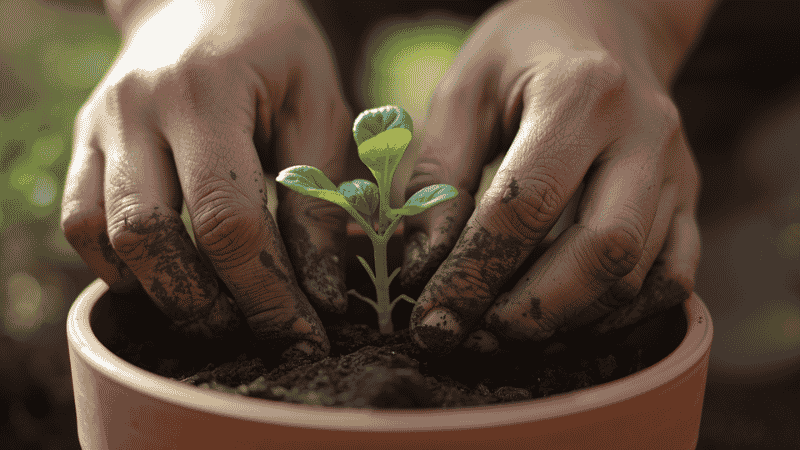
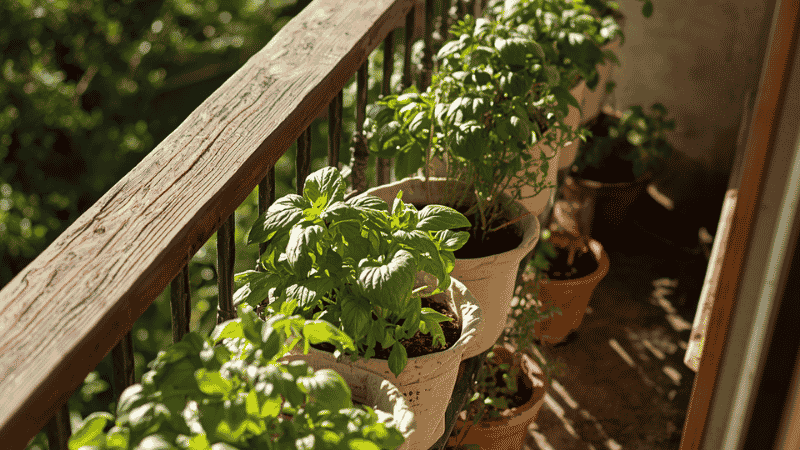
There is a specific, grounding magic that happens when you finally get out there on a quiet Saturday morning. The sun is just starting to bake the dew off the deck, the air smells like damp earth and coffee, and for a moment, the world narrows down to just you, a terracotta pot, and a fragile basil seedling that’s been sitting in its nursery plastic for way too long.
But if you’re like most of us when we started, that peace is usually interrupted by a nagging worry: Is this the right stuff? I’ve spent way too many hours standing in that garden center aisle, squinting at forty different bags with bright colors and big promises, wondering if the $18 “premium” blend is a miracle or just fancy marketing.
The truth is, planting container plants creates a tiny, closed world. Unlike a tomato in the ground that can send its roots hunting for a drink three feet down, a potted plant is stuck with whatever you give it. If that soil turns into a brick by July, your harvest is over before it begins.
nderstanding the “Mix” in Potting Mix
The first thing I tell anyone who asks is this: keep the “garden soil” or “topsoil” in the ground. I learned this the hard way years ago when I tried to save ten bucks by digging up some “great” dirt from my backyard for a window box. Within three weeks, the summer heat turned that dirt into a sun-baked concrete block that wouldn’t let a drop of water through.
In a pot, you aren’t looking for “dirt”—you’re looking for a “soilless mix.” It should feel light, crumbly, and almost springy in your hands. Most of the good stuff relies on a specific balance:
- The Breath (Perlite): Those little white “Styrofoam” bits. They keep the soil from collapsing under its own weight so the roots can actually breathe.
- The Sponge (Peat Moss or Coconut Coir): This is what keeps you from having to water three times a day. Coir feels like shredded velvet and is much easier to re-wet than peat once it gets dry.
- The Fuel (Compost or Castings): This turns a scrawny, pale sprout into that deep, vibrant green we all want.
Step-by-Step: Matching Soil to Your Crop
I’ve realized over the years that you can’t treat a rosemary bush like a cucumber. They have different “personalities.”
For the Thirsty: Tomatoes and Cucumbers
These are the heavy hitters. They drink like they’re in a desert and eat like teenagers. For these, you want a mix that stays “rich.” I usually go for something like Miracle-Gro Performance Organics because it holds moisture long enough for the plant to actually use it during a 90°F afternoon.
For the Sun-Lovers: Mediterranean Herbs
Rosemary, thyme, and lavender are the “fussy” ones—they hate having “wet feet.” If they sit in soggy soil for two days, they’ll just give up on you. I like to take a standard mix and toss in an extra handful of perlite or even some coarse sand. You want that water to zip right through the bottom of the pot.
The “Goldilocks” Mix: General Herbs
For your everyday basil, parsley, and cilantro, you want a middle ground. I’m a big fan of FoxFarm Ocean Forest. It’s got this dark, rich texture and smells like actual forest floor—it’s packed with enough “goodies” that you don’t even have to think about fertilizer for the first month.
Real-Life Example: The Deck Gardener’s Dilemma
My friend Sarah started her first balcony garden last year. She’s on the third floor and gets amazing light, but she bought the heaviest, cheapest “all-purpose” soil she could find. By mid-summer, her pots weighed a ton. When we had a big storm and she tried to scoot her peppers into the shade, she actually cracked a ceramic pot just trying to tilt it.
This year, we switched her to a Coconut Coir-based mix. It’s incredibly light—even when wet—and it doesn’t get that “crusty” top that peat does. Now she can rearrange her “garden” without needing a chiropractor.
What Most Gardening Guides Don’t Tell You
Most guides make it sound like you just pour a bag of soil into a pot and your job is done. In reality, the most critical factor isn’t the soil itself, but the Perched Water Table.
In a container, water naturally pools at the very bottom regardless of how many drainage holes you have. When you use “cheap” soil that is mostly fine wood dust, that water table rises, drowning the roots. This is why high-quality mixes use “long-fibered” peat or chunky coir—it creates a structural ladder that helps the roots climb out of the swamp.
The “Dirty” Secrets: 5 Mistakes I’ve Made (So You Don’t Have To)
- The Rocks in the Bottom Myth: We’ve all been told that putting gravel at the bottom helps drainage. It’s actually a lie. It creates that perched water table we just talked about, which basically keeps the soggy, rotting soil closer to your plant’s roots. Fill the whole pot with soil.
- The “Dead Soil” Re-use: You can reuse last year’s soil, but don’t just stick a new plant in it. It’s tired and hungry. Mix in some fresh compost or a bag of worm castings to “wake it up” first.
- The 6-Week Wall: Most bagged soils have a built-in snack for your plants. But around week six or eight, that food is gone. If you don’t start adding a little liquid fertilizer then, you’ll notice your plants just… stop.
- The Hydrophobic Snap: This is the most frustrating thing in gardening. If peat-based soil gets bone-dry, it starts repelling water. You’ll pour a gallon in, and it just runs down the inside of the pot and out the bottom, leaving the roots dry. If this happens, you have to soak the whole pot in a bucket of water until it stops bubbling.
- Perlite Dust: Don’t dump a dry bag of mix in a small shed. That white dust will make you cough for an hour. Spritz the bag with a hose before you pour it out.
Real-Life Example: The “July Slump” Recovery
My neighbor Mike was about to throw out his zucchini last July because it looked “depressed”—wilting leaves and no new fruit. We poked a finger in, and the soil felt like a dried-out sponge. He was using a cheap mix that had turned into a solid, waterproof block.
We took a chopstick, poked a bunch of “breathing holes” into the soil, and gave it a long, slow soak with a drop of organic dish soap (it helps break the surface tension). Two days later, that zucchini was pushing out new blossoms. The soil wasn’t bad; it was just “closed.”
Optional Tools for Better Results
While you can garden with just a pot and a bag of soil, these items genuinely make the maintenance side of planting container plants a lot less stressful:
- Soil Moisture Meter: If you struggle to tell the difference between “damp” and “dangerously wet,” this $15 tool is a lifesaver.
- Worm Castings: I call this “black gold.” Adding just a handful to a cheap bag of soil can completely transform the health of your herbs.
- Slow-Release Fertilizer Pellets: For those of us who forget to liquid feed, mixing these into the top few inches of soil provides a “safety net” of nutrition.
FAQ: What I Get Asked Most
Why is my soil pulling away from the edges of the pot?
It’s thirsty! The soil is literally shrinking. This happens most often with peat-based mixes. It’s time for a deep, slow drink (bottom-watering is best) until the soil expands back to the edges.
Is that white fuzzy stuff on my soil mold?
Usually, yeah, but it’s okay. It’s often just “good” fungi eating the organic bits in the mix. If it bugs you, just stir the top inch of soil to let it dry out or sprinkle a little cinnamon on it (a natural antifungal).
Can I mix different brands of potting soil?
All the time. I often buy a “budget” bag for the bulk and stir in a few scoops of the expensive, high-nutrient stuff like Espoma Organic to give it some soul and better texture.
Does potting mix expire?
Not exactly, but if a bag has been sitting outside for two years, the fertilizer has likely leached out and it might have invited fungus gnats to move in. If it smells like rotten eggs, toss it in the compost pile instead of a pot.
Planting container plants isn’t about being perfect; it’s about giving your plants a fighting chance. When you get the soil right, you’re not just growing food—you’re giving yourself a reason to step outside and breathe for a few minutes every day. Grab a bag, get your fingernails dirty, and enjoy the process.