
Have you ever walked through a botanical garden and felt an immediate sense of peace, only to wonder how you could recreate that magic in your own backyard? The secret isn’t just in having a “green thumb”—it’s in understanding the vast and beautiful variety of types of flowers and how they work together to create a living masterpiece.
Choosing the right blooms can feel overwhelming. With over 400,000 flowering species globally, where do you even begin? In this guide, we’ll break down the best floral choices by color, dive into some fascinating plant science, and give you the expert tips you need to keep your garden thriving all season long.
1. Setting the Mood: The Power of Floral Colors
Before we dig into the dirt, let’s talk about the “vibe” of your garden. Colors aren’t just pretty; they dictate the energy of your outdoor space.
- Cool tones (Blue/Purple): Create a sense of depth, serenity, and relaxation.
- Warm tones (Pink/Red): Add energy, romance, and a sense of “closeness” to a large yard.
- Neutrals (White): Act as a “palate cleanser,” making other colors pop and glowing beautifully in the moonlight.
2. Serene and Royal: Exploring Cool Tones
There is something inherently sophisticated about a garden that leans into the cooler end of the spectrum. These shades are the ultimate “cooling agents” during the peak of a humid American summer.
The Rarity of Azure: Exploring Popular Types of Blue Flowers
True blue is surprisingly rare in nature—less than 10% of flowering plants produce this pigment. This makes finding the right types of blue flowers feel like discovering a hidden gem.
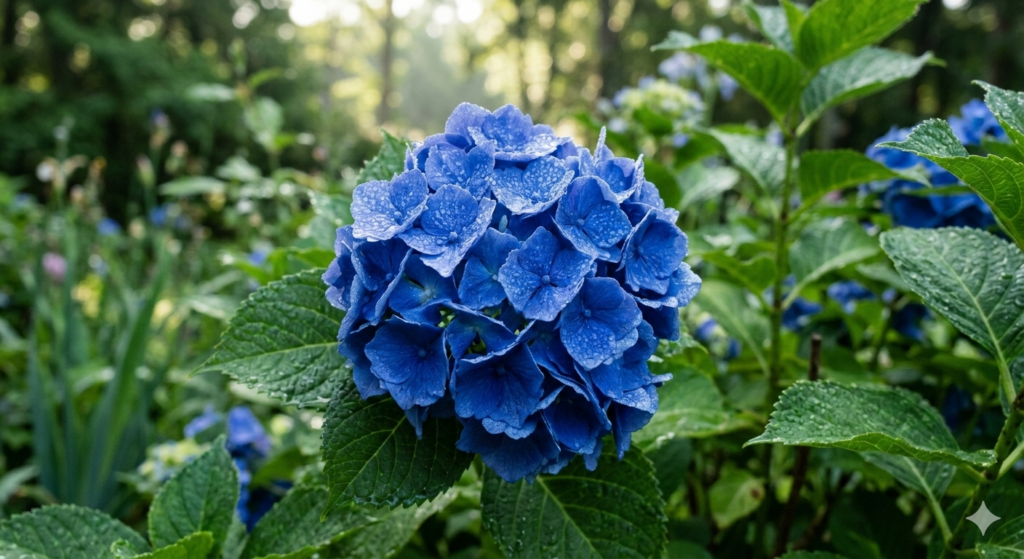
- Hydrangeas (Hydrangea macrophylla): The crown jewel of blue gardens. Pro Tip: If your soil pH is between 5.2 and 5.5 (acidic), your hydrangeas will turn a brilliant azure. If the soil is more alkaline, they’ll drift toward pink.
- Delphiniums: These towering spikes offer a “true blue” that is hard to find elsewhere. They are the “divas” of the garden—they love rich soil and might need staking to stay upright during a summer storm.
- Cornflowers: Also known as “Bachelor’s Buttons,” these are incredibly easy for beginners to grow from seed and offer a whimsical, wildflower aesthetic.
Regal Beauty: Stunning Types of Purple Flowers
Purple is the color of luxury and mystery. From a pollinator’s perspective, purple is a homing beacon—bees and butterflies are biologically hardwired to love these shades.
- Lavender (Lavandula): A must-have for any sensory garden. It offers silvery foliage and fragrant purple wands that thrive in full sun and well-drained soil.
- Salvia (May Night): These deep violet spikes are incredibly hardy and bloom repeatedly if you “deadhead” (remove) the spent flowers.
- Purple Petunias: Perfect for hanging baskets. Look for the “Night Sky” variety for a bloom that literally looks like a galaxy.
3. The Romantic Heart: Pink and White Blooms
If blue is the “soul” of the garden, pink is the “heart.” It adds a soft, approachable beauty that invites you to sit down and stay a while.
Soft and Vibrant: Popular Types of Pink Flowers
Pink is arguably the most versatile color in landscaping. It ranges from the palest blush to a “look-at-me” neon magenta.
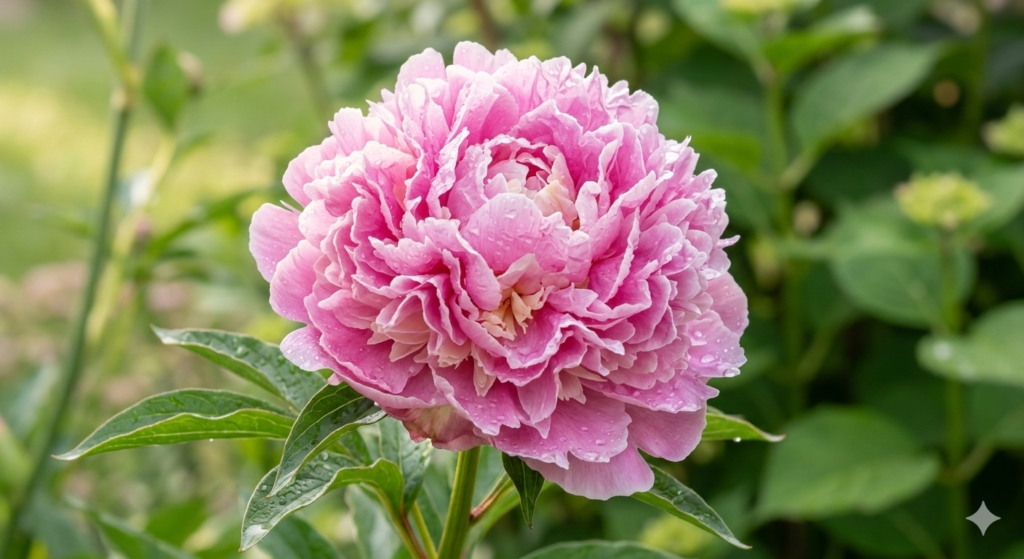
- Peonies (Paeonia): The queens of late spring. These massive, ruffled blooms are incredibly long-lived—some plants can live for 50 years! Expert Detail: Peonies need “chilling hours” (400–600 hours below 40°F) in winter to bloom properly in the spring.
- Bleeding Hearts: For shaded areas, these heart-shaped types of pink flowers dangle from arching stems like nature’s jewelry.
- Zinnias: The ultimate “cut-and-come-again” flower. The more you harvest them for indoor bouquets, the more they bloom.
Timeless Elegance: Essential Types of White Flowers
White flowers are the secret weapon of professional designers. They bridge the gap between clashing colors and are essential for “Moon Gardens”—outdoor spaces designed to be enjoyed at night.
- Shasta Daisies: The definition of “happy.” They are rugged, sun-loving, and provide a crisp white contrast to any green backdrop.
- Madonna Lilies: Stately and highly fragrant. Plant these near your patio to enjoy their scent during evening gatherings.
Quick Comparison: Choosing Your Best Fit:
| Flower Name | Color Category | Sunlight Req. | Best Feature |
| Hydrangea | Blue/Pink | Partial Shade | Color-changing blooms |
| Lavender | Purple | Full Sun | Incredible fragrance |
| Peony | Pink | Full Sun | Massive, romantic ruffles |
| Shasta Daisy | White | Full Sun | Beginner-friendly & hardy |
5. Botanical Deep Dive: What Type of Flowers Are Perfect Flowers?
You might hear gardeners or botanists talk about “perfection,” but it isn’t about aesthetics. So, what type of flowers are perfect flowers?
In botanical terms, a perfect flower is one that contains both male (stamen) and female (pistil) reproductive parts within a single bloom. This makes them incredibly efficient at self-pollination.
Common examples of perfect flowers include:
- Roses: Each bloom is a self-contained reproductive powerhouse.
- Lilies: You can easily see the pollen-heavy anthers and the central stigma.
- Tulips: The classic textbook example of botanical symmetry.
Understanding this helps you as a gardener, especially if you are growing in a small space with fewer pollinators!
6. Pro Gardening Tips for Success
- The 60-30-10 Rule: Use one dominant color for 60% of your garden, a secondary color (like types of pink flowers) for 30%, and a bold accent (like types of purple flowers) for the final 10%.
- Water the Roots, Not the Leaves: Splashing water on foliage leads to fungal diseases like powdery mildew. Use a soaker hose or aim your watering can at the base.
- Mulch is Magic: A 2-inch layer of mulch helps retain moisture and keeps those rare types of blue flowers cool during heatwaves.
7. Frequently Asked Questions (FAQ)
Q: Which flowers are easiest for beginners? A: Sunflowers, Zinnias, and Marigolds are nearly bulletproof and grow very quickly from seed.
Q: Why are my white flowers turning brown? A: This is often “Botrytis blight,” a fungus caused by high humidity. Ensure your plants have at least 12–18 inches of space between them for air circulation.
Q: When is the best time to plant perennials? A: Early spring or early fall is best. This gives the roots time to establish themselves without the stress of extreme summer heat or winter frost.
8. Conclusion: Your Journey Starts with a Single Seed
Exploring the different types of flowers is a lifelong journey of discovery. Whether you are drawn to the calm of types of blue flowers or the timeless grace of types of white flowers, remember that your garden is a reflection of you.
Don’t feel pressured to plant everything at once. Start with one small bed, focus on two or three of your favorite colors, and watch as nature does the rest.