
There is something transformative about bringing the outdoors in. Whether it’s a tiny succulent perched on a sun-drenched windowsill or a dramatic Fiddle Leaf Fig commanding a corner of your living room, potted plants do more than just sit there looking pretty. They breathe life into our sterile spaces, purify the air we breathe, and offer a much-needed sense of grounding in our digital-heavy lives.
As someone who has spent years experimenting with everything from classic clay pots to high-tech self watering plant pots, I’ve learned that the “secret sauce” to a thriving indoor jungle isn’t just about a green thumb. It’s about the relationship between the plant and its home—the container. In this guide, we’re going to dive deep into the world of pots, explore the lifesaving magic of modern watering systems, and share some “healthy gardener” tips to keep your green friends happy for years to come.
1. Choosing the Right Home: A Material World
When you’re browsing for potted plants, it’s easy to get distracted by a beautiful glaze or a trendy pattern. But for the plant, the material of the pot determines how well its roots breathe and how much moisture remains in the soil.
The Material Comparison Table
| Pot Material | Breathability | Moisture Retention | Best For… |
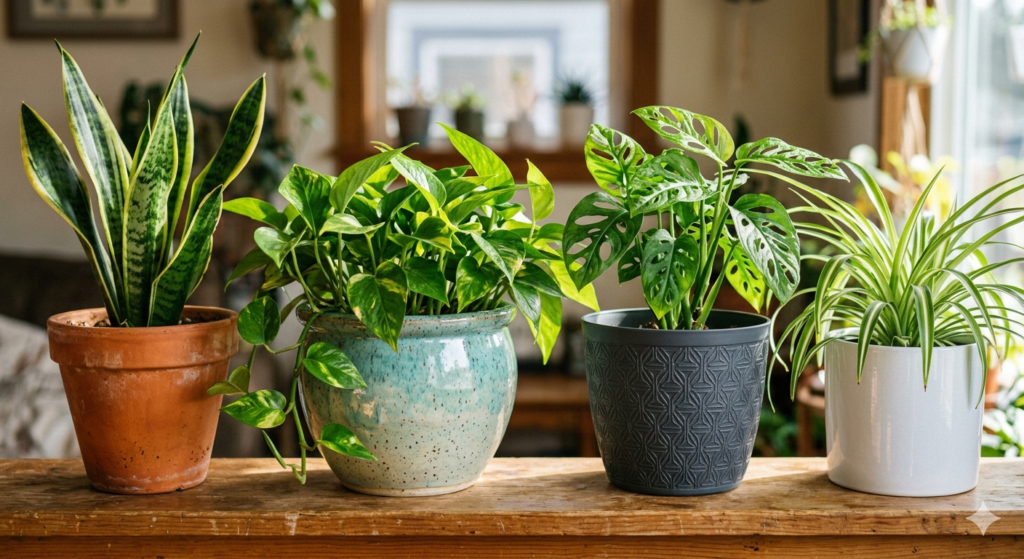
| Terra Cotta | High | Low | Cacti, Succulents, Snake Plants |
| Ceramic (Glazed) | Low | High | Ferns, Peace Lilies, Calatheas |
| Plastic/Resin | Medium | Medium | Large statement plants, Hanging baskets |
| Self Watering | N/A | High (Regulated) | Busy owners, Thirsty foliage plants |
Expert Tip: Terra cotta is porous, meaning it wicks moisture away. This makes it a lifesaver for “chronic overwaterers” but a challenge for moisture-loving tropicals. Conversely, glazed ceramic acts like a humidor, keeping the soil damp for much longer.
2. The Game Changer: Self Watering Plant Pots
Let’s talk about the biggest innovation for the busy plant parent: self watering plant pots. If you’ve ever come home from a weekend trip to find your favorite fern looking like a dramatic, wilted mess, this technology is for you.
How Do They Actually Work?
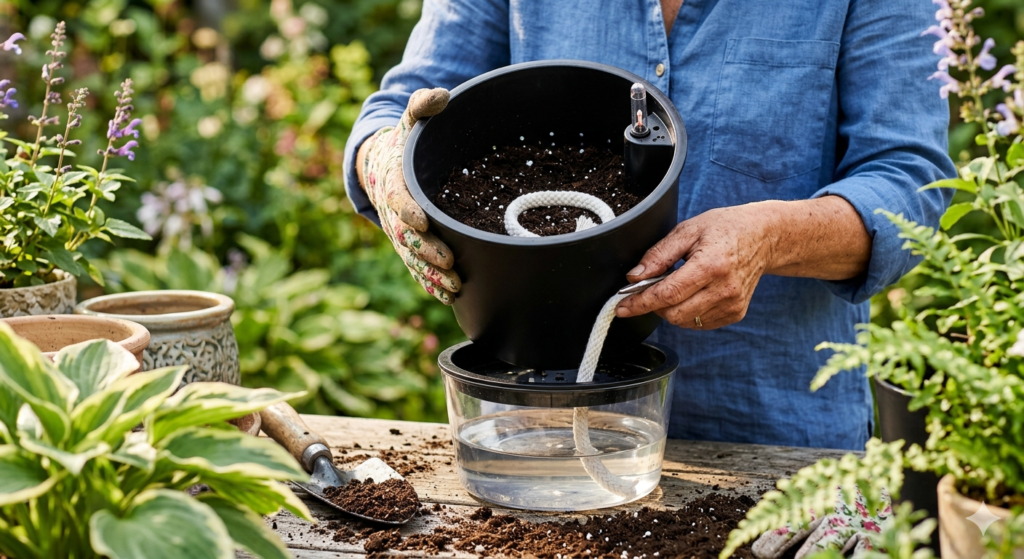
Most self watering plant pots utilize a “sub-irrigation” system. There is a hidden reservoir at the bottom of the pot that holds a supply of water. Through capillary action—think of it like a straw—the soil wicks up exactly as much water as the plant needs. It eliminates the “flood and drought” cycle that stresses out so many potted plants.
Why Your Plants Will Thank You
- Consistent Hydration: Plants thrive on stability. These pots provide a steady moisture level between 15% and 25%, which is the “sweet spot” for most foliage.
- Fewer Pests: Fungus gnats thrive in soggy topsoil. With self watering plant pots, the top stays dry while the roots drink from below, effectively starving out the gnats.
- Deep Root Growth: Because the water source is at the bottom, roots are encouraged to grow deep and strong to reach the reservoir.
3. Size Matters: The Goldilocks Rule
A common mistake is the “Big Pot Trap.” You find a gorgeous, oversized planter and put a tiny sapling in it so it can “grow into it.” In the world of potted plants, this is a recipe for root rot.
The 2-Inch Rule
A pot that is too large holds onto far more water than a small plant can drink, leading to stagnant, “sour” soil. Always choose a pot that is only 1 to 2 inches wider in diameter than the plant’s current root ball. This gives them just enough room to stretch without getting lost in a swamp.
4. The Foundation: Not All Dirt is Created Equal
Never use “dirt” from your backyard for potted plants. Garden soil is too heavy, lacks drainage, and often brings in unwanted pests.
The Perfect Potting Mix
A high-quality mix is actually “soilless,” consisting of:
- Peat Moss or Coconut Coir: For moisture retention.
- Perlite: Those white “popcorn” bits that create air pockets.
- Vermiculite: To help with nutrient exchange.
Drainage: The Non-Negotiable
Your pot must have a drainage hole. If you fall in love with a decorative cachepot that lacks one, use it as a “sleeve.” Keep the plant in its plastic nursery pot and nestle it inside the pretty one.
5. Styling Your Sanctuary: The Art of Display
Plants are the most versatile decor element you own. To make your potted plants look like they belong in a magazine, try these pro tips:
- The Rule of Three: Group plants in odd numbers and varying heights. Pair a tall Snake Plant with a bushy Pothos and a tiny Echeveria.
- Vertical Greenery: Use hanging self watering plant pots for high shelves. Watching a Philodendron cascade down like a green waterfall is an instant mental health boost for any home office.
6. Just for Fun: How to Make a Plant Pot on Minecraft?
I love it when my two worlds collide! Many of my younger readers find their first spark of gardening joy in the digital world. If you’re looking to spruce up your pixelated base, here is the quick guide to the Minecraft version of potted plants.
- Smelt Clay: Put clay balls into a furnace to create Bricks.
- Crafting Grid: Arrange three bricks in a “V” shape in your crafting table.
- The Result: You’ve got a Flower Pot!
While you can’t use self watering plant pots in the game yet, placing a pot on your digital windowsill is a great reminder that even in a virtual world, greenery makes a “house” feel like a “home.”
7. Frequently Asked Questions (FAQ)
Q: How often should I water my potted plants? A: Use the “Finger Test.” If the top inch of soil is dry, it’s time. If you use self watering plant pots, simply refill the reservoir when the indicator hits “Low.”
Q: Why are my leaves turning yellow? A: Usually, it’s a sign of overwatering. Check the drainage! If the soil is soggy, let it dry out completely before your next session.
Q: Can I use self watering pots for cacti? A: Generally, no. Desert plants need their soil to dry out completely between waterings. The constant moisture of a reservoir can lead to rot for succulents.
8. Conclusion: Your Green Journey Starts Here
Mastering the world of potted plants is one of the most rewarding hobbies you can undertake. It teaches us patience, connects us to the seasons, and provides a tangible way to care for something living every single day.
My Gentle Advice: Start with one plant that speaks to you. Invest in a high-quality container—perhaps try one of those life-saving self watering plant pots—and give yourself grace as you learn. Your home (and your lungs) will thank you.