
We get it. The allure of a “free” vegetable garden is hard to pass up. You see a stack of weathered pallets behind a grocery store, and suddenly you’re dreaming of a Pinterest-worthy raised bed. But before you load those boards into your truck, we need to have a serious talk about DIY garden projects and the invisible risks they carry. Not all wood is created equal. In fact, that “free” pallet could be leaching heavy metals, carcinogenic pesticides, or nasty bacteria directly into the soil where your kale and tomatoes grow. At DirtZip, we believe a safe gardening environment is non-negotiable, and saving $40 isn’t worth risking your family’s health.
Danger #1: The “MB” Stamp (Chemical Warfare)
The biggest threat in upcycled wood safety is a tiny ink stamp. Most pallets used in international shipping are treated to kill invasive beetles. If you see the letters “MB” stamped on the wood, drop it and walk away. This stands for Methyl Bromide, a powerful, toxic fumigant linked to neurological issues and ozone depletion.
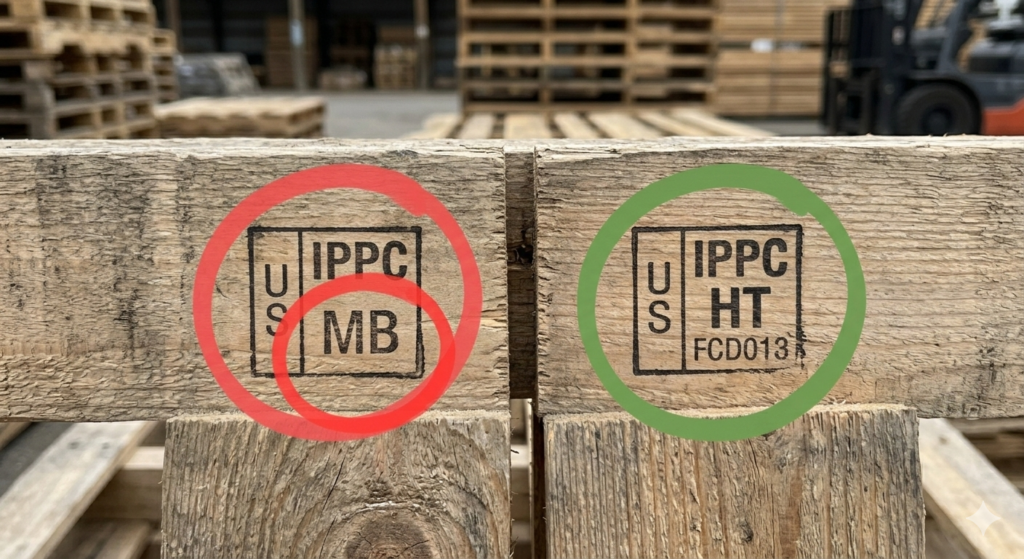
How to Read Pallet Stamps Like a Pro
To keep your DIY gardening DIY projects safe, only look for these codes:
- HT (Heat Treated): The wood was heated to its core to kill bugs. No chemicals used. Safe.
- DB (Debarked): Just means the bark was removed. Safe.
- KD (Kiln Dried): Dried in an oven to prevent warping. Safe.
Danger #2: Biological Contamination (The Gross Factor)
Even if a pallet is stamped “HT,” you have to ask: What was sitting on it? Pallets are the workhorses of the global supply chain. A pallet might have spent two weeks soaking up leaked fluids from raw poultry (Salmonella risk) or spilled industrial degreasers in a chemical warehouse.
Because wood is porous, it acts like a sponge for these toxins. This is why first-person experience matters—I’ve seen “clean” pallets that tested positive for E. coli. For a truly non-toxic wood for garden setup, avoid any pallets with dark oily stains, strange smells, or those found near dumpsters or industrial zones.
Danger #3: The “Softwood” Decay Trap
Most pallets are made of cheap pine or pallet-grade softwoods. In a budget-friendly garden project, these boards will look great for exactly six months. Then, the moisture from the soil kicks in. Because they aren’t naturally rot-resistant like Cedar, they become a breeding ground for mold and fungi that can compete with your plants for nutrients.
Table: Wood Durability & Safety Comparison
| Wood Type | Safety Level | Lifespan | Best Use |
| HT Pallets | High (if clean) | 1-2 Years | Temporary beds |
| Cedar Pickets | Maximum | 5-8 Years | Vegetable beds |
| MB Pallets | DANGEROUS | N/A | Firewood only (Outside!) |
The Fix: How to Use Reclaimed Wood Safely
If you are committed to the upcycling life, follow the “DirtZip Golden Rules” for safe DIY gardening:
- Inspect the Source: Only take pallets from clean environments, like dry goods warehouses or tile companies.
- Scrub and Sand: Always pressure-wash reclaimed wood and sand down the splinters (wear a mask!).
- The Barrier Method: Line your DIY bed with food-grade plastic or heavy-duty landscape fabric. This creates a physical wall between the wood and your soil.
For more technical details on international wood standards, check out the ISPM 15 requirements to see exactly how shipping materials are regulated globally.
FAQ: Ensuring Your DIY Projects are Non-Toxic
Q: Can I just paint the pallet to seal in the toxins? A: Not really. Most paints will eventually peel or crack, and the chemicals can still leach out of the bottom of the wood into the groundwater.
Q: Where is the best place to find “Safe” pallets? A: Look for local lawn and garden centers or small businesses that receive domestic shipments. They often have HT-stamped wood that hasn’t traveled the high seas.
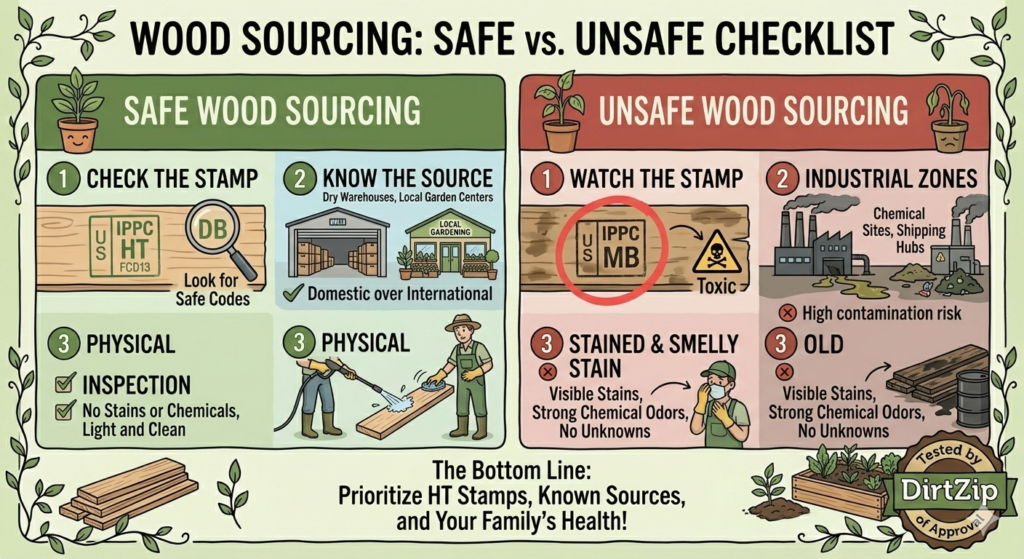
The Bottom Line
Don’t let the “free” price tag blind you to the reality of upcycled wood safety. A little bit of knowledge goes a long way in protecting your harvest.