
There is a certain magic in the spring garden that only one flower can truly capture. With its clusters of tiny, sky-blue petals and cheerful yellow eyes, the forget-me-not has been a staple of romantic cottage gardens for centuries. Whether you are looking to carpet a shaded woodland path or find the perfect companion for your late-blooming tulips, this resilient little plant is a must-have for every gardening enthusiast.
As a gardener who treasures low-maintenance beauty, I’ve found that the forget-me-not flower offers one of the best “returns on investment” in the plant world. In this guide, we’ll explore everything from starting your patch with forget-me-not seeds to understanding the important safety precautions every family should know.
1. Understanding the Forget-Me-Not: More Than Just a Blue Petal
Before we get our hands in the dirt, it’s essential to understand the biology of this plant. Most varieties found in American backyards, specifically Myosotis sylvatica, are technically biennials.
This means the plant has a two-year life cycle. In the first year, it focuses all its energy on growing a lush rosette of fuzzy green leaves. It’s only in the second year that you’ll see that breathtaking explosion of color. However, because they are champion self-seeders, they often behave like perennials—once you plant them, they tend to reappear every spring like clockwork.
Popular Varieties for Your Landscape
- Woodland Forget-Me-Not (Myosotis sylvatica): The most common variety, reaching 6–12 inches in height. Perfect for USDA Zones 3–8.
- Water Forget-Me-Not (Myosotis scorpioides): A semi-aquatic variety that thrives in soggy soil or near pond edges.
- ‘Rosylva’ or ‘Victoria Rose’: For those who want a break from blue, these varieties offer stunning shades of pink and blush.
2. Sowing Hope: Starting with Forget-Me-Not Seeds
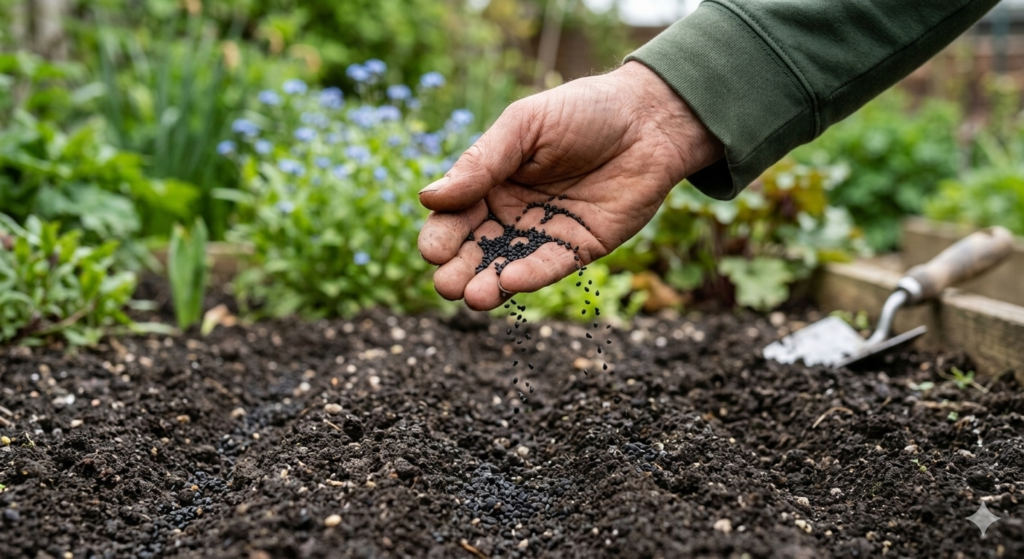
Starting your garden from forget-me-not seeds is incredibly rewarding and cost-effective. These seeds are tiny—roughly 44,000 seeds per ounce—but they pack a powerful punch of life.
The Best Time to Plant
For most U.S. gardeners, the window for sowing forget-me-not seeds is in mid-summer to early autumn. This timing allows the seeds to germinate while the soil is still warm (ideally between 65°F and 70°F) and establish a strong root system before the first frost.
Step-by-Step Sowing Guide
- Prepare the Bed: Choose a spot with dappled shade. Amend the soil with 2–3 inches of organic compost to ensure it stays moist but doesn’t become waterlogged.
- The Light Touch: Scatter the seeds thinly across the surface. Because they need a period of darkness to trigger germination, lightly rake them in or cover them with about 1/8 inch of fine soil.
- Hydration: Use a misting nozzle to keep the soil consistently damp. You should see tiny green sprouts appearing in 8 to 14 days.
- The “Cold Trick”: If you missed the fall window, you can sow them in spring, but you may need to “stratify” the seeds in your refrigerator for 3 weeks to mimic winter and break their dormancy.
3. Expert Care: Keeping Your Forget-Me-Not Flower Vibrant
Once your plants have taken hold, they are remarkably self-sufficient. However, a few “pro tips” can help you avoid common pitfalls and maximize their bloom time.
Moisture and Soil Health
The forget-me-not flower is a thirsty resident. In dry spells, they require deep watering at the base once a week. If the soil dries out completely, the plant will go dormant early, and you’ll miss out on that spectacular blue carpet.
Managing Powdery Mildew
Because these plants grow in dense, lush clumps, they are susceptible to powdery mildew—a white, dusty fungus.
- Prevention: Space your plants 6–10 inches apart to allow for airflow.
- Organic Cure: Mix 1 tablespoon of baking soda and ½ teaspoon of liquid soap into a gallon of water and spray the leaves every 10 days if you see white spots.
4. Safety and Health: Essential Precautions
As an advocate for “healthy gardening,” I believe in full transparency about the plants we grow around our families and pets.
Can Forget-Me-Nots Have Adverse Effects on Humans?
This is a critical question for many parents. Yes, they can if ingested. Forget-me-nots contain pyrrolizidine alkaloids (PAs), which are naturally occurring chemicals the plant uses to deter insects.
- Liver Health: If consumed in large quantities, these alkaloids can be toxic to the liver in both humans and pets (dogs, cats, and horses).
- Not Edible: Unlike pansies or violas, the forget-me-not flower is NOT edible. Ensure children know they are for “looking, not tasting.”
- Skin Irritation: Some gardeners experience a mild, itchy rash from the fuzzy hairs on the stems. I always recommend wearing light gloves when thinning out your patch.
5.Quick Comparison: Forget-Me-Not vs. Lookalikes
| Feature | Forget-Me-Not | Brunnera (False Forget-Me-Not) |
| Life Cycle | Biennial (Self-seeding) | Hardy Perennial |
| Flower Size | Tiny clusters | Larger, airy sprays |
| Leaf Texture | Fuzzy, soft green | Heart-shaped, often variegated |
| Best Use | Groundcover / Borders | Focal point in shade gardens |
6. Pro Tips and FAQ
The “Shake” Method for Next Year
If you want your forget-me-not flower display to return every year, don’t be too quick to clean up your garden in early summer. Let the plants turn brown and “crispy”—this means the seed pods are ripe. Give the plants a gentle shake to scatter the new forget-me-not seeds before removing the dead foliage.
Frequently Asked Questions
- Q: Are they invasive? In some states (like Alaska or parts of the Northeast), they are considered invasive. Always check with your local extension office before planting near wild wetlands.
- Q: Can they grow in full sun? In cooler climates (USDA Zones 3–5), they can handle more sun if kept very moist. In the South, they must have shade during the afternoon heat.
7. Conclusion: A Gift for Your Future Self
Planting a forget-me-not is a beautiful act of patience. Whether you are tucking forget-me-not seeds into the cool autumn earth or admiring the first sky-blue bloom of spring, you are participating in a timeless gardening tradition.
My gentle suggestion? Find that one corner of your yard that feels a bit too dark or neglected. Add some compost, scatter your seeds, and let nature do the rest. By this time next year, you’ll be rewarded with a floral display that is truly unforgettable.
Happy gardening!